The digital world is once again on edge as major changes ripple through Google’s search ecosystem, leaving website owners, bloggers, and digital marketers questioning their next move. Rankings are shifting overnight, traffic is dropping without warning, and once-reliable strategies are suddenly losing power. In this environment of uncertainty, one resource is becoming essential for survival and growth: the Website SEO guide. As search behavior evolves and algorithms grow more intelligent, understanding how visibility works has never been more critical for staying ahead in competitive online spaces.
What makes this moment even more intense is the speed at which change is happening. Industry analysts in the United States are reporting unusual volatility in organic traffic patterns across multiple niches. From news publishers to e-commerce stores, everyone is feeling the impact. Many are turning to a trusted Website SEO guide to decode what is happening and how to adapt before rankings disappear entirely. The question is no longer whether SEO is important, but whether outdated methods can survive this new wave of search transformation.
The sudden shift in Google algorithm update landscape
Search engines are no longer static systems; they are dynamic ecosystems powered by artificial intelligence and real-time learning models. The latest Google algorithm update has introduced stronger emphasis on user satisfaction, content depth, and intent matching. This has created sudden ranking fluctuations that many website owners did not anticipate. In this evolving landscape, a modern Website SEO guide is becoming a critical tool to interpret these unpredictable changes and respond effectively.
Experts suggest that the update is targeting low-value content, keyword-stuffed pages, and outdated optimization tactics. Websites that once relied on shortcuts are now losing visibility, while high-quality content is gaining momentum. As a result, digital professionals are revisiting their Website SEO guide strategies to align with new ranking signals such as engagement time, content relevance, and semantic search understanding. The shift marks a turning point in how online authority is defined.
Why Website SEO guide matters more in 2026
In 2026, digital competition has reached an entirely new level, especially in the United States where online businesses dominate nearly every industry. The Website SEO guide has become more than just a learning resource; it is now a survival blueprint for maintaining visibility in search results. With increasing reliance on AI-driven search systems, understanding SEO fundamentals is no longer optional but necessary for digital growth.
Marketers and creators are now using a Website SEO guide to decode search intent, optimize content structure, and improve user engagement metrics. The focus has shifted from simple ranking tactics to building long-term authority and trust. As search engines prioritize meaningful experiences over mechanical optimization, businesses that ignore updated SEO practices risk losing organic traffic permanently. This transformation highlights why SEO education is becoming a top priority for online success.
Keyword research and intent-driven content strategy
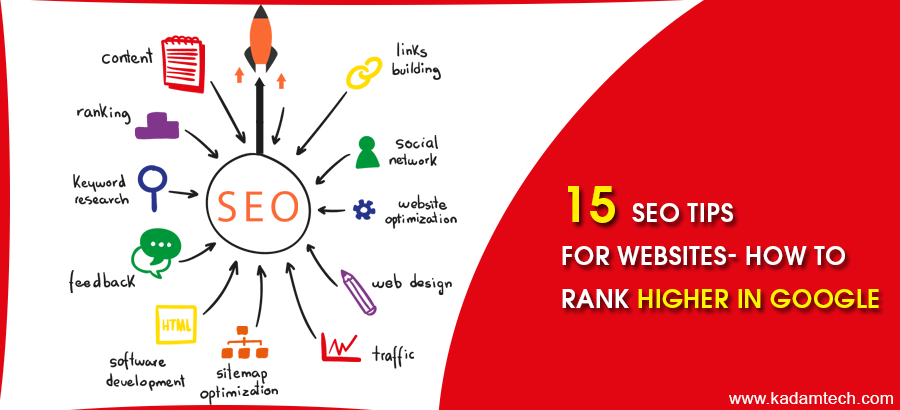
Modern SEO is deeply rooted in understanding what users actually want rather than what they simply type. Keyword research has evolved into intent analysis, where marketers must interpret informational, transactional, and navigational behavior. A well-structured Website SEO guide helps identify these patterns and transform them into actionable content strategies that match user expectations.
Instead of relying solely on high-volume keywords, professionals are now focusing on semantic variations and long-tail phrases. Tools powered by AI are helping uncover hidden opportunities in search data. Within any effective Website SEO guide, keyword mapping is emphasized as a core strategy for improving organic traffic and boosting SERP ranking. This shift ensures content is not only discoverable but also relevant to user needs at every stage of their journey.
On-page SEO evolution and content optimization trends
On-page SEO has undergone significant transformation as search engines become more context-aware. Elements like title tags, meta descriptions, internal linking, and content structure now play a more sophisticated role in ranking performance. A modern Website SEO guide emphasizes optimizing content for readability, engagement, and topical authority rather than keyword repetition alone.
Content optimization has also shifted toward user-first design, where clarity and value matter more than length alone. Websites that provide structured answers, fast loading pages, and mobile-friendly experiences are gaining stronger visibility. In any advanced Website SEO guide, the importance of natural language processing and topic clustering is highlighted as essential for long-term success in organic search.
Technical SEO challenges shaping website performance
Behind every high-ranking website is a strong technical foundation that ensures search engines can properly crawl, index, and understand content. Technical SEO is becoming increasingly complex due to Core Web Vitals, mobile-first indexing, and JavaScript-heavy websites. A detailed Website SEO guide breaks down these challenges and provides solutions for improving site architecture and performance.
Website speed, secure connections, and structured data are now major ranking signals. Even minor technical issues can lead to significant drops in visibility. That is why developers and marketers rely heavily on a Website SEO guide to audit performance and fix hidden errors that may be affecting organic traffic. In today’s competitive environment, technical optimization is no longer optional but a core requirement for digital success.
Backlink strategy and authority building in modern SEO
Backlinks remain one of the strongest indicators of authority, but the way they are evaluated has changed dramatically. Quality now outweighs quantity, and relevance plays a crucial role in determining value. A strategic Website SEO guide explains how to build natural, high-authority backlinks through content partnerships, digital PR, and value-driven outreach.
Search engines are now capable of detecting unnatural link patterns, making outdated link-building tactics risky. Instead, brands are focusing on earning links through trustworthy content and industry expertise. A modern Website SEO guide encourages sustainable authority building, where credibility and reputation drive long-term ranking stability rather than short-term manipulation.
Future predictions for organic traffic and SERP ranking
The future of search is moving toward fully AI-integrated experiences, where personalized results dominate user screens. Organic traffic patterns are expected to become more competitive as fewer but higher-quality results appear on top of search pages. A forward-looking Website SEO guide predicts that only websites with strong authority, user trust, and consistent engagement will maintain visibility.
As zero-click searches increase, businesses must rethink how they measure success beyond traditional traffic metrics. The next evolution of SEO will focus heavily on brand recognition and content ecosystems rather than isolated pages. In this environment, a future-ready Website SEO guide will be essential for adapting to continuous algorithm evolution and maintaining digital relevance.
The search landscape is shifting faster than ever, and those who fail to adapt risk being left behind. Now is the time to rethink strategies, upgrade knowledge, and embrace modern SEO principles before competitors take the lead. Stay informed, refine your approach, and use a trusted Website SEO guide to navigate the future of digital visibility with confidence.