The way we consume information has undergone a seismic shift. In the past, a news app delivered text, a podcast app delivered audio, and a streaming service delivered video. Today, that fragmented experience feels archaic. The modern user demands a seamless blend of formats, and the engine driving this change is the application mobile dualmedia. This isn’t just a technological upgrade; it represents a fundamental restructuring of how content is created, distributed, and monetized.
Imagine watching a live news report while simultaneously accessing the accompanying data visualizations and a live chat with experts—all within a single, fluid interface. That is the promise of dual-media. Recent data underscores this shift; in 2025, video streaming app downloads surged by nearly 39% globally , but the real story is the explosive growth of apps that combine formats. Short-drama apps, a key example of this trend, saw downloads grow over 100% year-over-year, hitting 2.3 billion installs . This surge is not just about watching videos; it’s about an interactive, multi-layered experience that an application mobile dualmedia provides.
What Exactly is an Application Mobile DualMedia?
At its core, an application mobile dualmedia is a mobile platform designed to handle and integrate multiple forms of media—such as video, audio, text, and interactive elements—simultaneously . This isn’t just about supporting different file types. It is about creating a unified user experience where these formats complement and enhance each other. Instead of switching between a podcast app and a notes app, for instance, you could be listening to a lecture while following along with synchronized slides and taking voice notes, all in one place.
This approach is broader than a single piece of software. It represents a design philosophy where developers build applications capable of managing multiple data streams without sacrificing performance . It aligns with concepts like multimodal user interfaces and rich media integration, but with a specific focus on the mobile context where users are constantly shifting between tasks and formats . While some may refer to a specific software provider by the name “DualMedia” , the concept itself is rapidly becoming a standard expectation for modern mobile experiences.
The Key Features Driving Adoption in 2026
The growing popularity of the application mobile dualmedia model is fueled by a suite of powerful features that cater to how we use our phones today.
Simultaneous Media Handling
The most defining feature is the ability to handle two types of media at the same time . For example, a user can watch a video tutorial while viewing a downloadable PDF of the materials. Creators can switch between audio and video modes during a live broadcast without interrupting the stream, making it invaluable for podcasters who want to show visuals or vloggers who want to offer an audio-only option for listeners . This dual-format approach eliminates the frustration of managing separate workflows for different media types.
Smart Features for a Mobile-First Audience
Modern dualmedia apps are not just about combining content; they are about intelligently enhancing it. Advanced AI-powered tools like auto-captioning can achieve over 99% accuracy, matching human-level quality and making content accessible to a wider audience . This is complemented by built-in monetization dashboards that allow creators to manage revenue streams like sponsored content, pay-per-view, and tip jars directly from the app . For the user, this means a more polished, accessible, and feature-rich experience.
Offline and Cloud Integration
A practical necessity for any powerful mobile app is flexibility. Dualmedia platforms often feature offline recording and viewing modes, ensuring that a lack of connectivity doesn’t hinder productivity . Users can record content without an internet connection, with the files automatically syncing to the cloud once they are back online . This seamless integration between offline capability and cloud storage ensures your media library is always available, whether you’re on a plane or in a remote area.
Why is the DualMedia Model Gaining Momentum Now?
The rise of the dualmedia app is not a random trend but a direct response to several converging shifts in technology and user behavior.
Changing User Expectations and Habits
Consumers today are overwhelmed by a deluge of information and have shorter attention spans, but they still demand instant, actionable insights . The fragmented nature of single-format apps creates friction. Users no longer want to jump between platforms to get a complete picture. They expect a seamless, highly personalized experience where content adapts to their circumstances, not the other way around. Research shows that 79% of customers now expect consistent interactions across all platforms, making a unified experience critical .
The Explosive Growth of Mobile and Short-Form Content
Mobile devices are the primary screen for most of the world. Mobile users account for over 64% of the global market share, and the average person checks their phone nearly 58 times daily . This mobile-first reality has fueled the explosion of short-form video, which receives 2.5 times more engagement than long-form content . Dualmedia apps are perfectly positioned for this landscape. They allow for the creation of “snackable” content that can be consumed on the go. The rise of platforms like ReelShort and DramaBox, which generated close to $130 million and $120 million in quarterly revenue respectively by early 2025, exemplifies this . They combine short, addictive storytelling with an integrated, app-centric model.
The Backbone: Edge Computing, 5G, and AI
These sophisticated apps would be impossible without a robust technological foundation. Edge computing, which processes data closer to the user, is crucial for reducing latency when streaming multiple types of media simultaneously . This ensures a live video with synchronized chat and graphics runs smoothly. The rollout of 5G networks provides the high-speed, low-latency connections needed to deliver high-quality media without buffering . Finally, AI and machine learning are the brains of the operation, analyzing user data to personalize content delivery and power recommendation engines, making the experience feel intuitive and intelligent .
Impact Across Key Industries
The versatility of the application mobile dualmedia model is transforming how organizations communicate in several major sectors.
Education and E-Learning
The educational sector has been one of the biggest beneficiaries. Cognitive science, specifically Mayer’s multimedia learning theory, shows that people process information through dual channels—visual and auditory. Using both improves retention by up to 30% . An application mobile dualmedia allows for a physics lesson that includes a short video explaining gravity, an interactive simulation, and a quick quiz. This multi-format approach caters to different learning styles and is a primary reason why 70% of students now prefer digital learning to traditional classrooms .
Content Creation and Entertainment
The entertainment industry is a primary driver of this trend. For creators, a dualmedia app offers a streamlined way to maintain both a podcast and a video presence without switching tools . For viewers, it provides a richer experience. The explosive growth of micro-dramas, which combine video with interactive and monetization features, proves that the audience is hungry for this format . This is not just a trend in Asia; these apps are climbing the top download slots even in the U.S. .
E-commerce and Retail
Retailers are using these apps to bridge the gap between the physical and digital worlds. By integrating augmented reality (AR) with video and product info, they create interactive shopping experiences. For instance, a user can see how a piece of furniture looks in their living room (AR) while watching a video review and then instantly purchase it. This integration leads to higher conversion rates, with one study showing customers are 65% more likely to purchase after interacting with AR .
A Step-by-Step Look at How it Works
Understanding the “how” is crucial for anyone looking to leverage or build a dualmedia platform. The journey from concept to user experience follows a logical path:
- Content Creation & Upload: The process begins with the creator or organization. This involves recording video, capturing audio, writing articles, and creating interactive elements, often using specialized tools or the app’s own built-in features .
- AI Processing & Backend Orchestration: Once content is uploaded, the backend takes over. AI and machine learning algorithms analyze the data to generate auto-captions, create transcriptions, and tag the content for search and recommendations . The data is then stored and managed on a cloud infrastructure, which provides the necessary scalability and global reach . The app’s architecture synchronizes the various media files, ensuring that the video, audio, and text are perfectly aligned.
- Edge Delivery & Personalization: When a user requests content, the system leverages edge computing to deliver it with minimal latency . The AI then personalizes the experience, presenting content based on the user’s past behavior and preferences . This is where the “seamless” experience is delivered, combining video, audio, and text into a single, fluid interface.
- User Engagement & Monetization: The user interacts with the content, leaving comments, sharing it, or making in-app purchases. The app’s dashboard tracks sophisticated metrics like viewer behavior in real-time . This data feeds back into the system, informing future content creation and personalization strategies. The monetization dashboard then records revenue from ads, subscriptions, or pay-per-view, closing the loop.
Key Takeaways
- The Unified Experience is King: The era of fragmented single-format apps is ending. Users demand integrated experiences combining video, audio, and text in one place .
- Fueled by Mobile and Short-Form Content: The dominance of mobile and the popularity of “snackable” content are the primary drivers of the application mobile dualmedia model .
- Advanced Tech is the Enabler: Technologies like edge computing, 5G, and multimodal AI are making these seamless, low-latency experiences a reality .
- Across Industries, It’s a Game Changer: From education and entertainment to e-commerce, the ability to deliver rich, multi-format content is a significant competitive advantage .
- Monetization is Built-In: These apps are not just engaging; they are designed for revenue, with built-in tools for creators to monetize directly .
Frequently Asked Questions
What exactly is an application mobile dualmedia?
An application mobile dualmedia is a mobile app designed to seamlessly integrate and present multiple forms of media content—such as video, audio, images, and text—simultaneously within a single interface. This eliminates the need to switch between different apps to consume related content .
What are the main benefits of using a dualmedia mobile app?
The main benefits include enhanced user engagement through interactive and immersive experiences, improved communication and learning retention through multimedia, and increased productivity by allowing for multitasking like watching a video while taking notes. For businesses and creators, it offers flexible content delivery and integrated monetization .
How is dualmedia different from traditional apps?
Traditional apps often focus on a single format, like a text-based news reader or a video streaming service. A dualmedia app breaks down these silos, allowing for interaction between formats. For example, a user could watch a news report while reading the transcript or viewing related infographics, all within the same app .
Is DualMedia a specific app or a general concept?
The term “DualMedia” can refer both to a general concept and a specific software platform. As a concept, it describes the growing industry trend of integrating multiple media formats. It may also be the name of a specific application or development agency that builds these types of solutions .
What types of content are best for a dualmedia approach?
Content that benefits from multiple perspectives is ideal. This includes educational tutorials where video demonstrations are paired with written guides, news stories that combine video reports with data visualizations, and interactive marketing campaigns that combine product videos with AR try-on features. Micro-dramas are a prime example of entertainment content designed for this format .
Will dualmedia apps replace single-format apps?
While they may not completely replace single-format apps, they are likely to become the dominant model, especially for content creators, educators, and businesses seeking to engage an increasingly mobile-first audience. They represent a clear evolution in how digital information is packaged and consumed .
What technologies power a dualmedia mobile application?
The core technologies include AI and machine learning for content personalization, edge computing and 5G for high-speed, low-latency streaming, and cloud infrastructure for scalable storage and delivery. Blockchain is also emerging as a technology for content verification to ensure authenticity .
The Future of Mobile Media is Seamless
The application mobile dualmedia is more than just an app; it is a blueprint for the future of mobile interaction. By breaking down the barriers between different media formats, this technology provides the rich, engaging, and efficient experiences that users have come to expect in 2026. The evidence is clear: from the explosive growth of micro-dramas to the demand for personalized, real-time content, the market is moving toward unified, intelligent platforms.
While the development of these powerful applications comes with challenges like high costs and infrastructure complexity, the potential rewards are immense . For businesses, educators, and creators, adopting a dualmedia approach is not just about keeping up with the latest trend—it is about building a more effective and engaging way to connect with your audience. The future of media is not a single channel; it is a seamless, integrated flow of information, and it lives on your smartphone.
Are you ready to explore how a unified media platform can transform your digital strategy? The shift to mobile-first, multi-format content is happening now. Consider how your organization can leverage this model to create richer experiences and build deeper connections with your users.
You Mey Olso Read
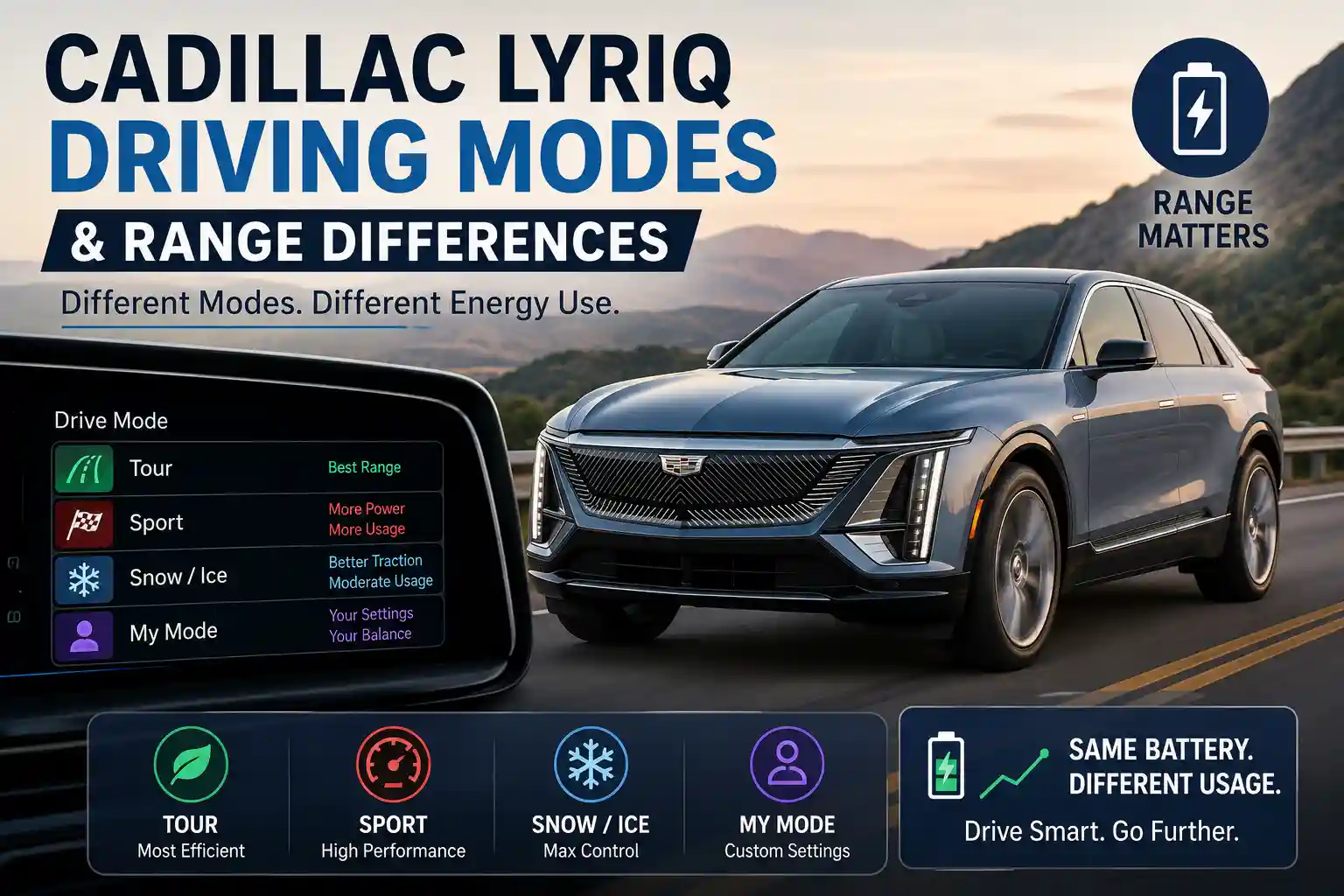
do the driving modes in cadillac lyriq offer different ranges or battery usages?