
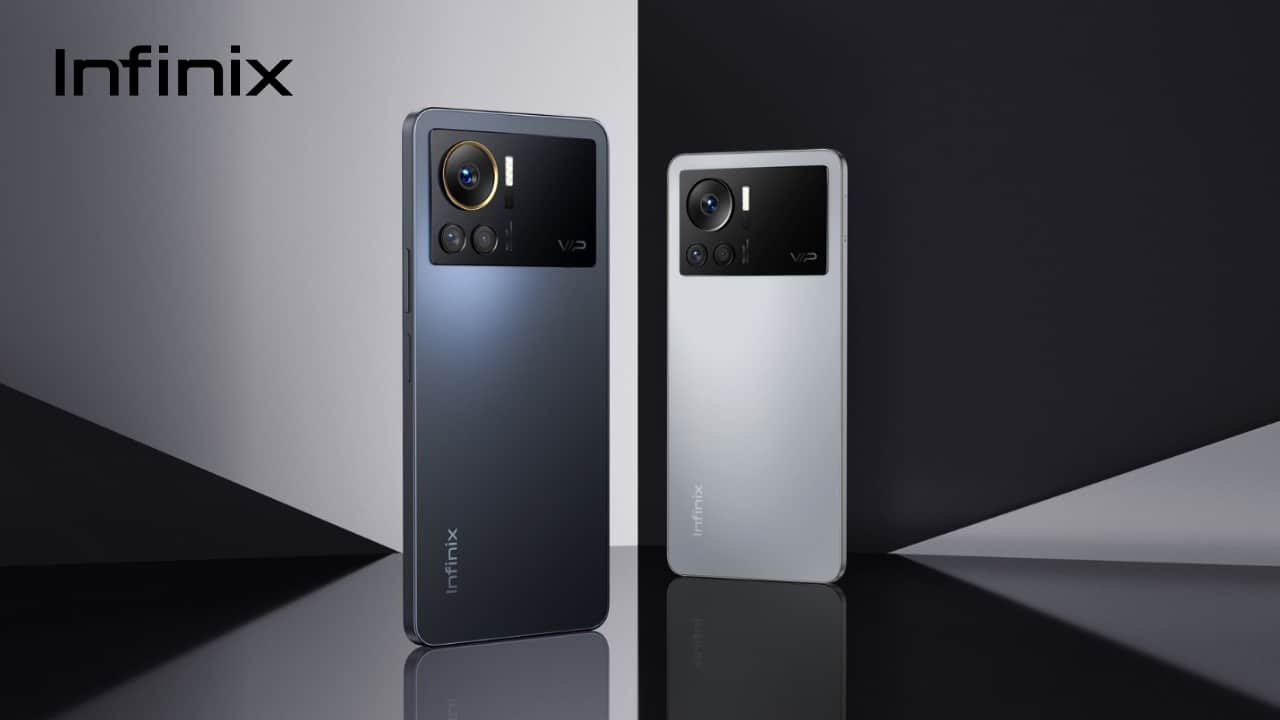
Why Fast Charging Phones Are Suddenly Changing Everything
In 2026, something quietly powerful is reshaping how Americans use their smartphones. People are no longer waiting hours beside a wall socket or carrying bulky power banks everywhere. Instead, charging has become almost invisible—plug in for a few minutes, and the battery is ready to survive the day. This rapid shift is making headlines because it is not just about convenience anymore; it is about control over time, mobility, and digital dependence. The rise of fast charging phones is redefining what users expect from everyday technology.
Across the United States, consumers are reporting a dramatic change in behavior. Morning routines, travel habits, and even workplace productivity are being influenced by ultra-fast power delivery systems. What once felt like a luxury feature is now becoming a baseline expectation. The demand for fast charging phones is accelerating as brands compete to deliver faster, safer, and more efficient charging experiences that fit modern lifestyles.
Breakthrough Battery Technology Driving the Revolution
Behind the rise of fast charging phones is a wave of breakthroughs in battery chemistry. Engineers are shifting from traditional lithium-ion designs toward advanced silicon-carbon structures that can absorb energy at much higher speeds. This change allows devices to handle more power without overheating or degrading quickly. As a result, charging that once took 90 minutes can now be completed in under 20 minutes on some flagship models.
The transformation is not just technical—it is also practical. Consumers want devices that adapt to their busy lives, not the other way around. Companies are investing heavily in research labs to push fast charging phones into the next generation of performance. Experts say this innovation could eventually make overnight charging obsolete, especially as energy density and thermal control continue to improve at a rapid pace.
GaN Chargers and the Silent Power Revolution
One of the most overlooked forces behind fast charging phones is GaN (Gallium Nitride) charger technology. Unlike traditional silicon-based adapters, GaN chargers are smaller, cooler, and far more efficient at transferring energy. This allows manufacturers to build compact charging bricks that deliver significantly higher wattage without overheating or wasting energy during conversion.
In the U.S. market, GaN technology is becoming the new standard for premium charging accessories. Tech reviewers note that these chargers are not only faster but also more portable, making them ideal for travel and office use. As adoption grows, fast charging phones are increasingly paired with GaN systems to maximize performance, creating a seamless ecosystem where speed and efficiency work together without compromise.
USB-C Power Delivery and Charging Standard Wars
The expansion of fast charging phones is also tied to the widespread adoption of USB-C Power Delivery (PD). This universal standard allows devices and chargers to communicate intelligently, adjusting voltage and current in real time. The result is faster and safer energy transfer that reduces strain on internal components while maximizing speed.
However, the industry is still navigating competing standards. Different smartphone brands often use proprietary charging protocols, leading to variations in performance even among fast charging phones. In the United States, regulators and tech companies are slowly pushing toward unified charging systems to reduce electronic waste and simplify consumer experience. If successful, this could make charging faster, more predictable, and far more sustainable.
Safety Concerns and Heat Management Challenges
As fast charging phones become more powerful, safety has emerged as a critical concern. High-speed energy transfer naturally generates heat, and managing that heat is essential to preventing long-term battery damage. Manufacturers are now integrating advanced cooling systems, including vapor chambers and AI-driven thermal controls, to ensure devices remain stable during rapid charging sessions.
Despite these improvements, experts warn that not all fast charging phones are created equal. Poor-quality cables or uncertified chargers can still pose risks, including overheating or reduced battery lifespan. This has led to increased awareness among consumers about using certified accessories and following manufacturer guidelines. Safety innovation is now just as important as speed in the evolution of mobile charging technology.
Market Trends Reshaping the U.S. Smartphone Industry
In the American smartphone market, fast charging phones are becoming a key selling point for almost every major brand. Consumers are increasingly prioritizing charging speed over other features like camera upgrades or display enhancements. This shift is influencing product design, marketing strategies, and even pricing models across the industry.
Retail data shows that devices offering advanced fast-charging capabilities are outperforming competitors in sales growth. Tech analysts suggest that fast charging phones are now a deciding factor in purchase decisions, especially among younger users and professionals who rely heavily on mobile productivity. As competition intensifies, companies are racing to deliver faster charging times without compromising battery health or device longevity.
Future Predictions: The Next Phase of Mobile Power
Looking ahead, experts believe fast charging phones will evolve far beyond current expectations. Research is already underway on ultra-high wattage charging systems that could fully power a smartphone in under five minutes. Combined with next-generation batteries, this could eliminate charging anxiety entirely and redefine mobile independence.
Another major prediction involves wireless charging becoming as fast as wired solutions. If successful, fast charging phones may no longer require physical cables at all. Instead, energy could be delivered through smart surfaces in homes, cars, and public spaces. This future points toward a world where power is continuously available, seamless, and almost invisible to the user.
Conclusion: The Race for Instant Power Has Just Begun
The evolution of fast charging phones is not just a technological upgrade—it is a complete shift in how people interact with their devices. From breakthrough battery chemistry to advanced charging standards, every layer of innovation is pushing the industry toward a faster, more efficient future. The United States is at the center of this transformation, where consumer demand is driving record-breaking advancements.
As the competition intensifies, one thing is clear: the next generation of smartphones will not be judged only by performance or design, but by how quickly they can return to full power. Stay informed, compare new technologies carefully, and watch closely as fast charging phones continue to redefine the boundaries of mobile innovation.