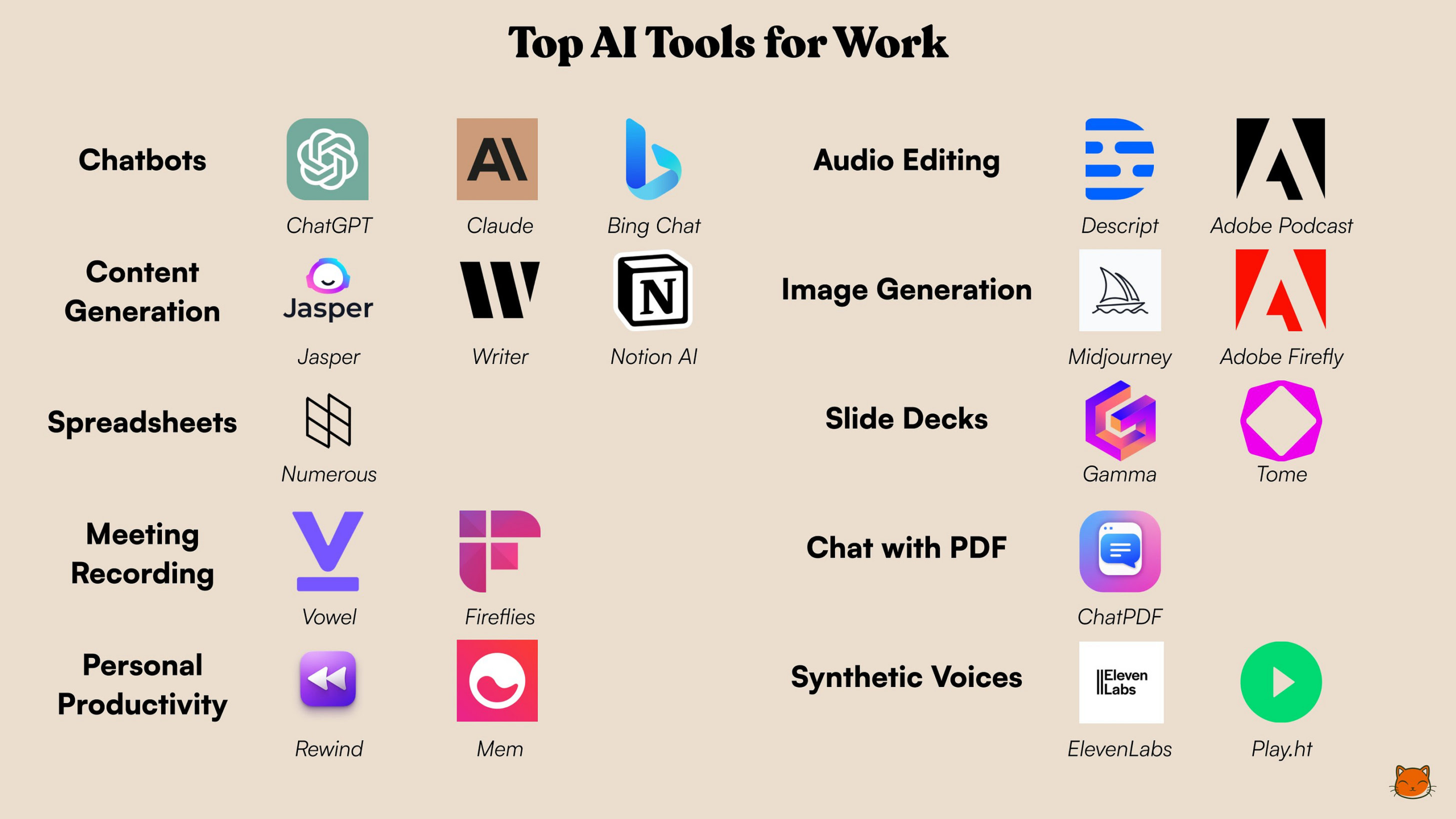
The future of work is no longer a distant promise in the United States—it is unfolding in real time, reshaping offices, startups, and even solo creators at an unstoppable pace. Across industries, professionals are quietly replacing traditional workflows with automation-driven systems that save hours each day. The phrase “work smarter, not harder” is suddenly becoming a survival strategy rather than a motivational slogan. At the center of this transformation are the best ai tools, which are rapidly redefining productivity, creativity, and decision-making in ways that were unimaginable just a few years ago.
What makes this shift even more compelling is the speed at which it is happening. From Silicon Valley boardrooms to remote freelancers in small towns, adoption is accelerating without pause. Businesses are no longer asking whether they should use artificial intelligence, but how fast they can integrate it. The best ai tools are not just improving efficiency—they are changing the nature of work itself, influencing hiring patterns, content creation, marketing strategies, and customer engagement across the United States.
The Rise of AI-Powered Productivity in Modern Workflows
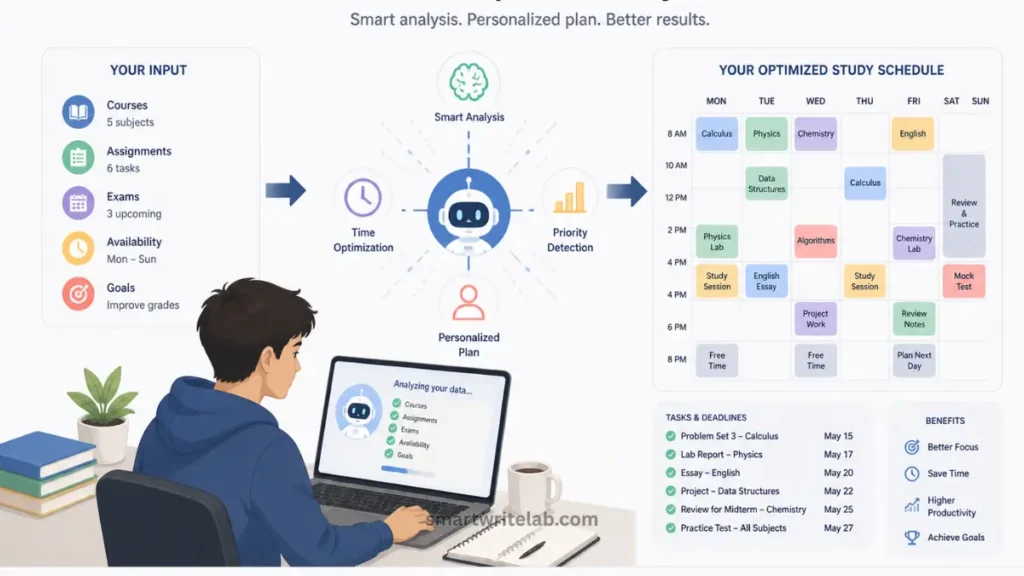
The United States workforce is experiencing a dramatic surge in AI adoption, especially through AI productivity tools designed to simplify complex tasks. Companies are increasingly relying on automation software that can handle scheduling, reporting, data analysis, and communication without human intervention. This shift has made the best ai tools essential for both large corporations and small businesses aiming to stay competitive in a fast-moving digital economy.
Experts suggest that the demand for AI-driven systems has grown significantly due to remote work culture and hybrid office models. Businesses now prioritize speed and accuracy, and generative AI apps are filling that gap effectively. Many organizations report improved performance and reduced operational costs after integrating the best ai tools into their daily workflows. This evolution is not just technological—it is structural, influencing how teams collaborate and deliver results.
How Generative AI Is Redefining Creativity and Content Creation
One of the most disruptive changes in recent years is the rise of generative AI apps, which are transforming how content is created across digital platforms. Writers, marketers, and designers are now using AI writing assistants to produce articles, advertisements, and social media campaigns in minutes rather than hours. The best ai tools in this category are enabling creators to scale their output while maintaining quality and consistency.
At the same time, critics and analysts are observing how this shift is reshaping creative industries. While some fear job displacement, others argue that AI is becoming a collaborative partner rather than a replacement. The best ai tools are increasingly seen as creative enhancers, helping professionals brainstorm ideas, refine messaging, and improve storytelling. As adoption grows, businesses are discovering that human creativity combined with machine intelligence produces stronger and more engaging results.
AI in Business Operations and Decision-Making
In corporate environments across the United States, AI is no longer limited to experimental projects—it is now embedded in core decision-making systems. Business AI solutions are helping executives analyze market trends, predict consumer behavior, and optimize supply chains with unprecedented accuracy. Many leaders now consider the best ai tools as essential infrastructure rather than optional technology.
This transformation is especially visible in finance, healthcare, and retail industries, where data-driven decisions are critical. Machine learning tools are being used to detect patterns that humans might miss, leading to faster and more informed strategies. Companies that have adopted the best ai tools report improved forecasting and reduced risks, highlighting the growing reliance on intelligent systems for strategic planning.
The Explosion of AI Chatbots and Customer Experience Innovation
Customer service in the United States is undergoing a major evolution thanks to AI chatbots that can handle thousands of queries simultaneously. These systems are now capable of understanding natural language, resolving complaints, and even processing transactions without human assistance. The best ai tools in this category are helping businesses improve customer satisfaction while reducing response times dramatically.
Beyond efficiency, companies are also focusing on personalization. Modern chatbot systems can analyze customer behavior and deliver tailored responses, making interactions feel more human-like. As competition increases, organizations are investing heavily in the best ai tools to create seamless customer experiences that build loyalty and trust. This trend is expected to expand further as AI becomes more emotionally intelligent and context-aware.
Workflow Automation and the Future of Digital Transformation
Workflow automation is becoming the backbone of digital transformation strategies across American enterprises. Organizations are integrating automation software into everyday processes such as email management, data entry, and project tracking. The best ai tools are at the center of this transformation, enabling teams to eliminate repetitive tasks and focus on higher-value work.
Industry analysts predict that automation will continue to expand rapidly over the next decade, especially as AI becomes more affordable and accessible. Small businesses, in particular, are benefiting from the availability of user-friendly platforms that require minimal technical knowledge. As adoption spreads, the best ai tools are expected to become standard in every workplace, reshaping how productivity is measured and achieved.
What Experts Predict for the Future of AI in the US Economy
Looking ahead, experts believe that artificial intelligence will become one of the most influential forces in the American economy. From startups to Fortune 500 companies, the reliance on machine learning tools and automation systems is expected to deepen. The best ai tools are projected to drive innovation across sectors, including education, healthcare, transportation, and entertainment.
However, this rapid expansion also raises important questions about regulation, ethics, and workforce adaptation. Policymakers are already discussing frameworks to ensure responsible AI use while encouraging innovation. Despite uncertainties, one thing is clear: the best ai tools will continue to play a central role in shaping the economic landscape of the United States for years to come.
The AI revolution is not waiting for the future—it is happening right now, transforming how people work, create, and compete. As adoption continues to rise, individuals and businesses that embrace the best ai tools early will likely gain a significant advantage in the evolving digital economy. Stay informed, stay adaptable, and explore how AI can reshape your own workflow before the next wave of innovation arrives.