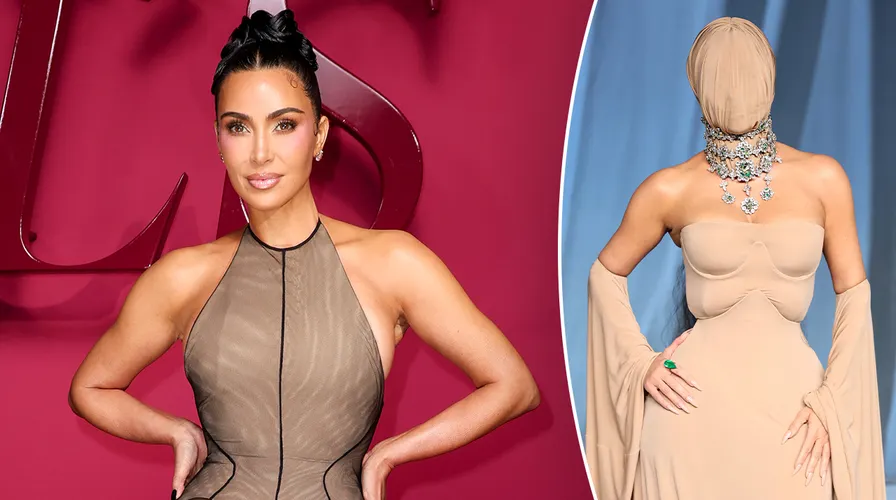
The internet exploded within minutes after a series of hyper-realistic images linked to Kim Kardashian started circulating across social media platforms in early 2026. At first glance, the photos looked authentic. Fans believed they showed the reality star attending a private luxury event in Los Angeles with several controversial public figures. But within hours, online investigators noticed something strange. Tiny visual distortions, unnatural lighting, and inconsistent facial details sparked suspicion that the images were generated using advanced artificial intelligence tools.
What followed quickly turned into one of the biggest celebrity digital scandals of the year. The Kim Kardashian AI photo controversy 2026 explained debate has now evolved beyond celebrity gossip. It has become a serious conversation about deepfakes, misinformation, privacy, and the dangerous speed of AI-generated content online. Millions of users shared the photos before any confirmation arrived, proving once again how difficult it has become to separate reality from digital fabrication in the modern internet era.
How the Kim Kardashian AI Photo Controversy Started
The controversy reportedly began when anonymous accounts uploaded a collection of glamorous yet suspicious-looking images late one evening. The posts immediately gained traction on X, TikTok, Instagram, and Reddit. Many users assumed the photos were genuine because the AI rendering quality looked almost flawless. Some entertainment blogs even reposted the images before verifying their authenticity.
Within a few hours, digital creators and AI analysts began examining the visuals frame by frame. They identified common deepfake indicators including blurred jewelry edges, inconsistent hand structures, distorted reflections, and uneven shadows. Soon after, representatives connected to Kim Kardashian denied the legitimacy of the photos. That denial fueled even more curiosity online, causing hashtags related to the Kim Kardashian AI photo controversy 2026 explained topic to trend across the United States.
Why the Images Looked So Real to Millions
One reason the story exploded so quickly is because AI image technology has advanced dramatically over the past two years. Modern generative AI systems can now create celebrity faces with near-photographic accuracy. Unlike earlier deepfakes that often appeared cartoonish or awkward, 2026 AI tools replicate skin texture, lighting, makeup details, and even emotional expressions with frightening realism.
Experts believe the viral images were likely created using multiple AI models combined together. Some analysts suggested the creator used celebrity photo datasets mixed with real paparazzi backgrounds to increase authenticity. This technique makes detection significantly harder. The Kim Kardashian AI photo controversy 2026 explained discussion has therefore become a major warning sign for both celebrities and ordinary internet users who consume visual content daily without verification.
Social Media Platforms Struggled to React
Another major issue highlighted by the controversy was the slow response from social media companies. Even after experts flagged the images as manipulated, the posts continued spreading for hours through reposts, reaction videos, and screenshot shares. Algorithms favored engagement, which only amplified the viral momentum.
Several platforms eventually labeled the content as “digitally altered media,” but critics argued the action came too late. By then, millions had already viewed the photos. Some users continued believing the images were real despite official clarifications. The Kim Kardashian AI photo controversy 2026 explained trend exposed how difficult moderation becomes when AI-generated media spreads faster than fact-checking systems can respond.
Celebrity Deepfake Scandals Are Becoming More Common
This is not the first time a public figure has been targeted by AI-generated misinformation. Over the past year, numerous actors, musicians, athletes, and influencers have faced fake videos and manipulated images online. However, the Kim Kardashian case attracted massive attention because of her global influence and constant media visibility.
Digital safety experts say celebrity culture creates the perfect environment for deepfake manipulation. Public fascination with exclusive parties, luxury lifestyles, and private scandals makes audiences more likely to believe sensational visuals. In the Kim Kardashian AI photo controversy 2026 explained debate, many viewers accepted the images instantly because they aligned with the glamorous celebrity image already associated with Kardashian online.
AI Experts Warn About a Bigger Internet Crisis
Technology researchers are now warning that this controversy represents a much larger issue. The concern is no longer just fake celebrity photos. Experts fear advanced AI systems could soon influence politics, elections, financial markets, and criminal scams through fabricated media that appears completely authentic.
According to cybersecurity analysts, deepfake incidents increased significantly between 2024 and 2026. Fraud attempts using AI-generated faces and voices have already targeted businesses and individuals worldwide. The Kim Kardashian AI photo controversy 2026 explained situation therefore serves as a public example of a growing digital trust crisis affecting every internet user.
Some universities and tech organizations are currently developing AI detection software capable of identifying manipulated media instantly. However, specialists admit the technology race is becoming increasingly difficult because AI generation tools improve almost every month. As fake media becomes smarter, verification tools must evolve even faster.
Fans Were Divided Across the Internet
Interestingly, public reaction to the controversy revealed sharp divisions among online audiences. Some fans defended Kim Kardashian aggressively and criticized users for spreading unverified content. Others treated the incident as entertainment rather than a serious privacy concern. Memes, parody videos, and reaction threads quickly flooded social platforms.
Meanwhile, another group argued that celebrities should expect this level of digital scrutiny because their careers depend heavily on online attention. That perspective sparked backlash from privacy advocates who warned against normalizing AI-based exploitation. The Kim Kardashian AI photo controversy 2026 explained conversation eventually transformed into a broader ethical debate about consent and digital identity rights.
The Role of AI Culture in Modern Celebrity News
Artificial intelligence has already changed the entertainment industry dramatically. AI-generated music, AI influencers, virtual fashion campaigns, and synthetic advertising are now becoming mainstream. Because audiences interact with digitally altered content constantly, distinguishing between authentic and artificial media is becoming psychologically exhausting.
Celebrity news culture also contributes to the problem. Fast-moving entertainment cycles reward shocking headlines and viral visuals over careful verification. In many cases, misinformation spreads widely before corrections appear. The Kim Kardashian AI photo controversy 2026 explained incident perfectly demonstrates how emotional reactions often overpower factual analysis online.
Entertainment journalists now face increasing pressure to verify visual content carefully before publishing. Some media outlets reportedly removed articles connected to the viral images after authenticity concerns emerged. Others updated headlines to clarify that the photos were likely AI-generated.
Legal Questions Are Now Emerging
Legal experts believe cases like this could push governments toward stricter AI regulations in the near future. Several states in the United States have already introduced legislation targeting harmful deepfakes, especially involving elections or explicit imagery. However, enforcement remains complicated because anonymous creators can distribute manipulated content globally within seconds.
Lawyers specializing in digital rights argue that celebrities may eventually pursue stronger protections over their likeness and biometric identity. The Kim Kardashian AI photo controversy 2026 explained scandal could therefore become a landmark case influencing future AI privacy laws. Some analysts even predict new requirements for watermarking AI-generated images to improve transparency online.
At the same time, free speech advocates warn that overregulation might create censorship concerns. The balance between creativity, satire, artistic freedom, and harmful deception remains one of the biggest unresolved questions in the AI era.
What This Means for Everyday Internet Users
Although the controversy centers around a celebrity, the lessons extend far beyond Hollywood. AI-generated misinformation can impact anyone. Fake photos, cloned voices, and fabricated videos are becoming easier and cheaper to create every month. That means ordinary users must become more skeptical about viral content appearing online.
Media literacy experts recommend checking multiple sources before trusting sensational images or videos. Reverse image searches, official statements, and reputable journalism can help reduce misinformation spread. The Kim Kardashian AI photo controversy 2026 explained story highlights why digital skepticism is now an essential survival skill in the modern information economy.
Parents, teachers, and schools are also increasingly discussing AI literacy with younger generations. Many teenagers consume social media content rapidly without questioning authenticity. Experts believe education will play a critical role in preventing future misinformation crises.
Why This Controversy Will Likely Shape Future AI Debates
The impact of this viral scandal may continue long after the original images disappear from trending feeds. Public trust in digital content has already weakened significantly, and incidents like this accelerate that erosion. As AI becomes more advanced, society faces difficult questions about authenticity, consent, journalism, and technological responsibility.
For Kim Kardashian, the controversy became another intense media storm in a career already defined by internet attention. But for the wider public, it represented something far more serious. The Kim Kardashian AI photo controversy 2026 explained narrative exposed how vulnerable modern culture has become to synthetic media manipulation.
The next phase of the internet may depend on whether technology companies, lawmakers, creators, and users can adapt quickly enough to this new reality. Otherwise, viral misinformation powered by artificial intelligence could become impossible to control. If this controversy proved anything, it is that seeing is no longer believing in 2026.
As AI-generated content continues evolving, readers must stay informed, question viral trends carefully, and think critically before sharing sensational stories online. The future of digital trust may depend on it.