
In recent months, more Americans are quietly searching for answers to a frustrating and often embarrassing problem: persistent bad breath, throat irritation, and that strange feeling of something stuck in the back of the throat. For many, the cause turns out to be tiny white formations known as tonsil stones. As online searches surge, one question dominates wellness forums and health blogs alike—how to remove tonsil stones safely and effectively without pain or complications.
What makes this issue so unsettling is how suddenly it appears. One day everything feels normal, and the next, discomfort and odor begin to affect confidence and daily life. Health experts say this rising awareness is driving a major spike in interest around how to remove tonsil stones, especially among young adults and office workers who want quick, discreet solutions.
What are tonsil stones and why they form in the throat
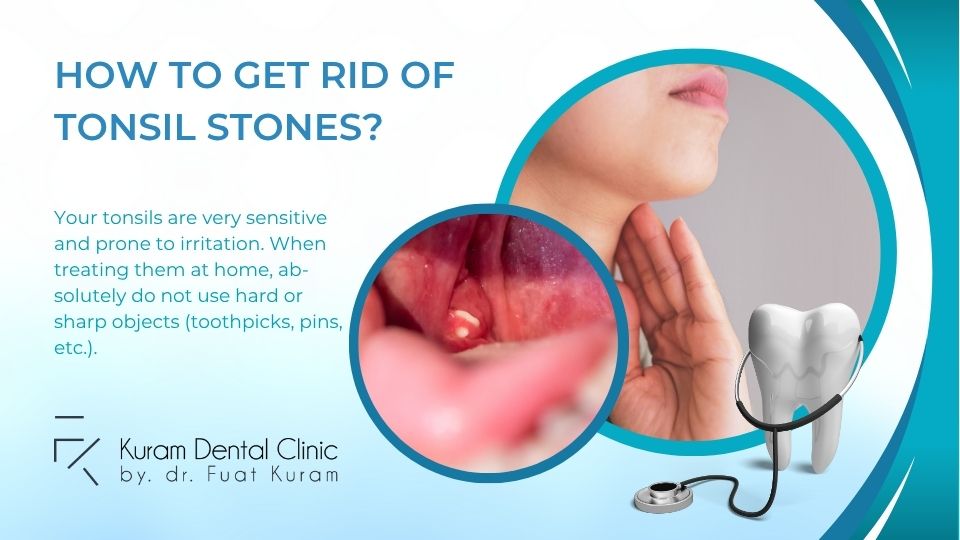
Tonsil stones, also called tonsilloliths, are small calcified deposits that form in the crevices of the tonsils. They are made up of trapped food particles, dead cells, mucus, and bacteria that slowly harden over time. While not usually dangerous, they can cause discomfort, irritation, and noticeable bad breath. This is why understanding how to remove tonsil stones has become a growing concern in the United States as more people recognize the symptoms early.
Experts explain that poor oral hygiene, chronic sinus issues, and frequent throat infections can increase the likelihood of developing these deposits. In some cases, even people with strong dental hygiene routines may still experience them due to the natural structure of their tonsils. Awareness of how to remove tonsil stones is important because untreated cases often lead to recurring buildup, making the problem more persistent over time.
How to remove tonsil stones at home safely
Learning how to remove tonsil stones at home has become one of the most searched health topics online, but experts warn that caution is essential. One of the safest methods includes gentle gargling with warm salt water, which helps loosen debris and reduce bacteria in the throat. Some individuals also use a clean cotton swab or low-pressure water irrigator to dislodge visible stones carefully without damaging the tonsil tissue.
Another common approach in how to remove tonsil stones involves improving hydration and encouraging natural dislodging through coughing or throat clearing. In many mild cases, stones fall out on their own without intervention. However, aggressive poking or using sharp objects is strongly discouraged by health professionals due to the risk of bleeding or infection. Understanding how to remove tonsil stones safely at home can significantly reduce discomfort while preventing further complications.
For persistent cases, combining how to remove tonsil stones techniques with better oral hygiene routines, including tongue scraping and antibacterial mouthwash, can dramatically reduce recurrence rates.
Medical treatments for persistent tonsil stones
When home remedies fail, medical intervention becomes an important part of how to remove tonsil stones effectively. Ear, nose, and throat specialists may use specialized tools to extract stones safely in a clinical setting. This procedure is typically quick and performed under local anesthesia when necessary, ensuring minimal discomfort for the patient.
In more severe or recurring cases, doctors may recommend laser cryptolysis or even tonsillectomy. These procedures target the deep crevices where stones frequently form. For patients struggling repeatedly with symptoms, learning how to remove tonsil stones through medical treatment options can provide long-term relief and significantly reduce recurrence. Clinical studies show that surgical options can reduce chronic tonsil stone formation by a significant margin in high-risk individuals.
Modern ENT practices are also focusing on minimally invasive solutions, making how to remove tonsil stones a more accessible and less intimidating treatment journey than ever before.
Prevention tips and oral hygiene routines that actually work
Preventing tonsil stones is often easier than treating them, which is why many dental professionals emphasize consistent oral care as the foundation of how to remove tonsil stones long-term. Brushing twice daily, flossing regularly, and cleaning the tongue are essential steps in reducing bacterial buildup that leads to stone formation. Using alcohol-free mouthwash can also help maintain a balanced oral environment.
Dietary habits play a role as well. Reducing sugary foods, staying hydrated, and avoiding excessive dairy can help minimize mucus buildup in the throat. These lifestyle changes are often recommended alongside guidance on how to remove tonsil stones, especially for individuals who experience frequent recurrence. Studies in oral health research suggest that improved hydration alone can reduce tonsil stone formation frequency by up to 30% in some patients.
Maintaining consistent habits is key. Even after learning how to remove tonsil stones, prevention ensures the problem does not return and impact daily comfort or confidence again.
When to see a doctor and future treatment trends
While many cases are mild, there are situations where professional help becomes necessary. If tonsil stones cause persistent pain, difficulty swallowing, or chronic bad breath that does not improve with hygiene changes, it may be time to consult an ENT specialist. At this stage, understanding how to remove tonsil stones goes beyond home care and into medical evaluation.
Interestingly, new research in throat health is exploring advanced laser-based treatments and improved non-surgical techniques to address recurring cases. These innovations are making how to remove tonsil stones more efficient and less invasive than traditional methods. Health experts predict that within the next few years, outpatient procedures will become even more common as technology improves precision and recovery time.
As awareness grows, so does early diagnosis. People searching for how to remove tonsil stones are now more likely to receive faster treatment and better long-term outcomes than ever before.
Final thoughts
Understanding how to remove tonsil stones is no longer just a niche medical concern—it has become a widely discussed wellness topic as more people recognize its impact on confidence, comfort, and oral health. Whether through home remedies, improved hygiene, or professional care, effective solutions are available for almost every case.
If you are currently experiencing symptoms, taking action early can make a significant difference. Share this information, stay informed, and explore safe methods on how to remove tonsil stones to protect your throat health and maintain lasting freshness in daily life.