
Introduction
Across the United States, an unexpected wave of extreme heat is triggering urgent concern as thousands of households report sudden cooling failures. What started as routine summer strain has now escalated into a widespread situation where residents are scrambling for relief. Social media posts, emergency updates, and local alerts are all pointing toward a growing crisis tied to “breaking ac” incidents in major urban areas. Families are waking up to overheated homes, while hospitals report increased heat-related distress cases, raising questions about infrastructure readiness in 2026.
As temperatures continue to climb, the phrase breaking ac has become a trending search term, symbolizing a deeper issue beyond simple appliance failure. Experts suggest this situation is not isolated but part of a broader pattern of stress on cooling systems, energy demand, and climate-driven temperature spikes. The urgency is real, and cities are now racing to respond before the situation escalates further.
Heatwave Surge Triggers Nationwide Cooling Concerns
The United States is experiencing one of its most intense early-summer heat surges in recent years, pushing air conditioning systems to their limits. Reports of breaking ac failures are increasing in cities like Phoenix, Dallas, and Atlanta, where temperatures have crossed seasonal averages by significant margins. Utility companies warn that cooling demand has reached near-record levels, placing additional pressure on aging infrastructure already struggling to keep up with modern consumption patterns.
Meteorologists link this sudden spike to shifting atmospheric conditions and prolonged heat domes forming over large regions. As a result, households are relying heavily on continuous cooling, which is contributing to widespread system overloads. The repeated occurrence of breaking ac issues has turned into a national concern, highlighting how dependent modern life has become on uninterrupted indoor climate control. Even short disruptions are now causing significant discomfort and safety risks for vulnerable populations.
Why Breaking AC Failures Are Increasing Across Cities
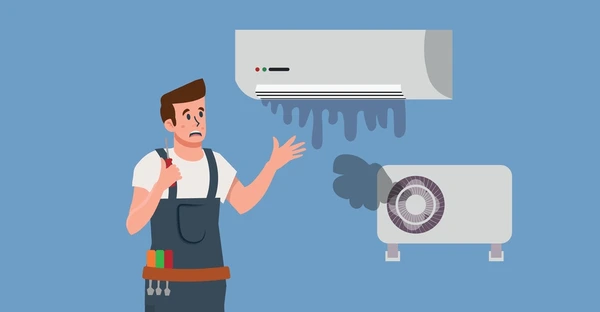
One of the primary reasons behind the rise in breaking ac incidents is the aging HVAC infrastructure in residential and commercial buildings. Many systems installed over a decade ago are not designed to withstand today’s extreme heatwave cycles or the increased cooling demand seen across the country. Technicians report a sharp rise in emergency repair calls, with compressors overheating and filters clogging faster than usual, leading to sudden breakdowns in peak hours.
Another contributing factor is inconsistent maintenance habits among homeowners, which amplifies system strain during high-temperature periods. Experts emphasize that the phrase breaking ac is not just a viral trend but a reflection of real mechanical stress happening at scale. Additionally, supply chain delays for replacement parts are slowing repair times, leaving many households without cooling for extended periods. This combination of factors is intensifying the crisis across multiple states simultaneously.
Impact on Energy Grids and Household Safety Risks
Energy providers are now facing unprecedented load levels as millions of air conditioners run continuously to combat extreme heat. This surge is directly linked to the rising number of breaking ac reports, which in turn increases demand for emergency replacements and backup cooling solutions. In several states, grid operators have issued warnings about potential rolling outages if consumption does not stabilize during peak hours, especially in late afternoons and early evenings.
Beyond energy strain, the safety risks for households are becoming more serious. Extended exposure to high indoor temperatures can lead to dehydration, heat exhaustion, and medical emergencies, particularly among elderly residents and young children. The breaking ac situation is therefore not just a comfort issue but a public health concern. Hospitals in multiple regions have already reported increased admissions related to heat stress, highlighting the urgent need for both preventive maintenance and emergency preparedness.
Emergency Response and Cooling Center Expansion in US
In response to the growing crisis, several US cities are expanding access to emergency cooling centers, offering temporary relief for residents affected by breaking ac disruptions. These centers provide air-conditioned spaces, hydration stations, and medical assistance for those impacted by extreme indoor heat. Local governments are also distributing alerts through mobile notifications and community networks to guide people toward the nearest safe locations during peak heat hours.
At the same time, utility companies are working with municipal authorities to manage energy distribution more efficiently. Demand-response programs are being encouraged, where households reduce non-essential electricity usage during peak times to prevent grid overload. The repeated breaking ac incidents have accelerated policy discussions around upgrading infrastructure and investing in more resilient cooling technologies that can better handle future climate extremes.
Future Forecast and Climate Experts Warnings
Climate experts warn that the current wave of breaking ac failures may be an early indicator of more frequent and intense heat-related disruptions in the coming years. As global temperatures continue to rise, the demand for cooling is expected to increase significantly, placing further pressure on both household systems and national energy infrastructure. Studies suggest that without modernization, AC failure rates could rise sharply in densely populated regions.
Forecast models also indicate that extended heatwaves may become more common across the Midwest and Southern states, making adaptive cooling strategies essential. The breaking ac trend is therefore seen as a signal of a larger environmental shift that requires long-term planning. Experts recommend smarter energy systems, improved insulation standards, and widespread adoption of energy-efficient HVAC technologies to reduce future risks.
Conclusion
The rising wave of breaking ac incidents across the United States is more than a seasonal inconvenience—it is a warning sign of deeper structural and environmental challenges. As heatwaves intensify and cooling demand continues to climb, both households and policymakers are being forced to rethink how they approach energy resilience and climate adaptation.
If immediate action is not taken, experts believe the situation could worsen in future summers, affecting millions more people. Staying informed, maintaining cooling systems, and supporting infrastructure upgrades will be critical in reducing risks ahead.