
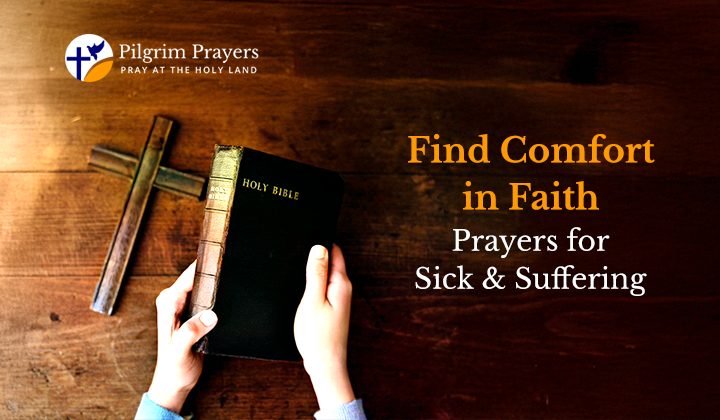
Across the United States, a quiet yet powerful shift is unfolding. In hospitals, homes, and even digital spaces, millions are turning toward spiritual comfort as uncertainty grows in daily life. From chronic illness to emotional burnout, people are searching for something deeper than conventional answers. This rising emotional wave has brought renewed attention to prayers for healing, a practice many thought was fading in modern society. Instead, it is re-emerging with surprising strength, driven by stress, health anxiety, and a growing desire for inner peace.
Search trends show a noticeable spike in spiritual queries over the past year, especially related to faith-based coping methods. Mental health professionals also report that more patients are combining therapy with spiritual practices. In this evolving landscape, prayers for healing are no longer seen only as religious rituals but as emotional support tools. The trend reflects a broader cultural shift in how Americans are redefining wellness, blending science, faith, and personal belief systems.
A Rising Search for Hope and Comfort in the US
The United States is witnessing a renewed interest in spirituality, particularly during times of crisis. Families facing medical challenges, individuals struggling with anxiety, and communities dealing with loss are increasingly turning to prayers for healing as a source of comfort. This shift is especially visible in online searches, where people are looking for hope-driven content that offers emotional relief and stability.
Experts suggest that uncertainty in healthcare costs, rising stress levels, and global instability are contributing factors. As a result, prayers for healing have become part of a broader coping mechanism that blends emotional resilience with spiritual grounding. This is not limited to any single religious group; instead, it spans across diverse faith traditions and personal belief systems, showing how universal the need for hope truly is.
At the same time, community leaders report a growing participation in prayer gatherings, both in-person and virtual. These spaces are not only religious but also deeply emotional support networks. The increasing visibility of prayers for healing reflects a collective search for reassurance in a rapidly changing world where people often feel overwhelmed.
Why Prayers for Healing Are Trending in 2026
One of the biggest reasons behind the surge in prayers for healing is the rising awareness of mental and emotional health. In 2026, wellness is no longer defined only by physical fitness but also by emotional stability and spiritual balance. This expanded definition has pushed prayer practices into mainstream conversations, especially among younger generations seeking alternative ways to manage stress.
Social media has also played a major role in amplifying this trend. Short videos, testimonials, and faith-based messages are spreading rapidly, encouraging people to explore prayers for healing as part of their daily routine. Influencers, wellness coaches, and even healthcare advocates are discussing how spiritual reflection can complement modern treatment methods.
Another factor is the growing interest in holistic healing. People are increasingly combining meditation, mindfulness, and prayers for healing to create personalized wellness routines. This integration of mind-body-spirit approaches is shaping how Americans think about recovery, resilience, and emotional strength in everyday life.
Mental Health and Spiritual Wellness Connection
Mental health professionals have observed a noticeable connection between emotional recovery and spiritual practices. Many individuals report feeling calmer and more grounded when they engage in prayers for healing, especially during periods of grief, illness, or anxiety. While not a substitute for medical treatment, these practices often provide a sense of control and emotional relief.
The relationship between therapy and spirituality is becoming more openly discussed. Psychologists acknowledge that prayers for healing can reduce feelings of isolation and promote hope, which plays a crucial role in recovery. For many patients, prayer becomes a daily anchor that helps them manage emotional turbulence in a structured and meaningful way.
Studies on stress reduction also highlight the benefits of belief-based practices. Activities such as reflection, meditation, and prayers for healing are associated with lower stress responses and improved emotional regulation. This growing body of evidence is encouraging more people to incorporate spiritual habits into their mental wellness routines.
Church Communities and Intercessory Prayer Movement
Across the country, churches and faith communities are experiencing renewed participation in group prayer sessions. These gatherings often focus on prayers for healing, where members pray for individuals facing illness, emotional distress, or life challenges. The sense of unity and shared purpose has become a powerful emotional support system.
Intercessory prayer groups have expanded beyond traditional church settings. Many now meet online, allowing people from different states to join in collective prayers for healing. This digital shift has made spiritual support more accessible, especially for those who are homebound or dealing with long-term health conditions.
Religious leaders emphasize that these communities are not only about faith but also about connection. In an increasingly disconnected society, prayers for healing serve as a bridge that brings people together during vulnerable moments. This sense of belonging often plays a significant role in emotional recovery and resilience.
Scientific Views and Emotional Benefits of Prayer
While spirituality is deeply personal, researchers continue to explore its psychological effects. Some studies suggest that prayers for healing can activate relaxation responses in the brain, reducing stress hormones and promoting a sense of calm. This does not necessarily confirm religious claims but highlights the emotional impact of belief-based practices.
Medical professionals often observe that patients who engage in spiritual routines tend to report higher levels of emotional comfort. In hospital environments, prayers for healing are sometimes encouraged as part of holistic care approaches, especially in palliative settings where emotional well-being is critical.
However, experts also caution against replacing medical treatment with prayer alone. Instead, they advocate for a balanced approach where prayers for healing complement evidence-based healthcare. This combination of science and spirituality is shaping modern perspectives on recovery and emotional wellness in the US.
Future Outlook of Prayers for Healing in America
Looking ahead, the role of spirituality in wellness is expected to grow even further. Analysts predict that prayers for healing will continue to integrate with digital health platforms, meditation apps, and online support communities. This evolution reflects a broader shift toward personalized and accessible mental wellness solutions.
Younger generations, in particular, are redefining spiritual expression. Instead of traditional settings alone, they are engaging with prayers for healing through podcasts, social media, and virtual gatherings. This hybrid approach is making spirituality more adaptable to modern lifestyles while maintaining its emotional depth.
As society continues to face uncertainty, the demand for emotional grounding will likely increase. In this context, prayers for healing may remain a steady presence in American life, offering comfort, hope, and resilience in times of change.
The growing popularity of prayers for healing reflects a deeper truth about human nature: the need for meaning, connection, and peace never fades, even in the most advanced societies.
Call to Action
As this spiritual movement continues to expand, readers are encouraged to explore mindful practices, connect with supportive communities, and reflect on what healing means in their own lives. Whether through faith, meditation, or quiet reflection, the journey toward emotional balance begins with a single moment of intention.