The race for online visibility just entered a new phase, and publishers across the United States are paying close attention. What started as a simple AI chatbot has now evolved into one of the most talked-about content tools on the internet. From small bloggers to massive media companies, everyone seems to be experimenting with ChatGPT SEO article writing to capture traffic, dominate Google Discover, and stay ahead in a brutally competitive search landscape.
But behind the excitement lies a bigger story. Search habits are changing. Readers now expect faster answers, more engaging storytelling, and highly personalized content. That shift is pushing AI-powered writing tools into the center of digital publishing. While some experts celebrate the speed and efficiency, others warn that low-quality automation could flood the web. Either way, one thing is clear: ChatGPT SEO article writing is no longer a future trend. It is happening right now.
Why ChatGPT SEO Article Writing Is Exploding in Popularity
Over the past year, content creators have struggled with rising competition, declining organic reach, and constant Google algorithm updates. Many publishers in the United States are now turning toward AI tools because traditional content production has become expensive and time-consuming. ChatGPT SEO article writing offers a faster alternative that can generate structured, keyword-focused articles within minutes.
The appeal goes beyond speed. Bloggers and marketers are discovering that AI-generated content can help them scale publishing efforts without hiring large editorial teams. According to recent digital marketing reports, businesses using AI-assisted content workflows are publishing nearly three times more articles than competitors relying only on manual writing. This dramatic increase in output is helping websites target more long-tail keywords and capture wider search visibility.
Another reason for the surge is Google Discover. Publishers want emotionally engaging headlines, mobile-friendly formatting, and highly clickable introductions. AI tools are being trained to deliver exactly that. As a result, ChatGPT SEO article writing is becoming a central strategy for websites trying to increase Discover impressions and user engagement.
Google Discover Is Fueling the AI Content Boom
Google Discover has quietly become one of the most powerful traffic sources for publishers. Unlike traditional search results, Discover pushes articles directly to users based on their interests and browsing behavior. This means emotionally driven content and trending topics often perform exceptionally well.
That is where ChatGPT SEO article writing is gaining momentum. AI tools can quickly identify trending discussions, generate curiosity-driven introductions, and organize articles in a reader-friendly format optimized for mobile devices. Publishers are using these capabilities to chase viral traffic opportunities that may only last for a few hours.
Experts in digital publishing say Discover-friendly content usually shares several characteristics. It includes strong headlines, conversational storytelling, shorter paragraphs, and emotional hooks within the first few sentences. AI-generated writing is increasingly being designed around those exact patterns. Because of this, many independent publishers believe AI can help level the playing field against larger media companies.
At the same time, Google continues emphasizing content quality and originality. That means websites depending entirely on low-quality automation could still face ranking problems. Successful publishers are blending AI efficiency with human editing to create content that feels authentic and useful.
AI Writing Tools Are Reshaping SEO Strategies
Traditional SEO once focused heavily on backlinks and technical optimization. Today, user behavior signals such as click-through rate, dwell time, and content engagement are becoming increasingly important. This shift has transformed how marketers approach content production.
ChatGPT SEO article writing allows publishers to create content tailored to reader intent rather than simply stuffing keywords into articles. AI tools can now generate natural-sounding transitions, conversational phrasing, and storytelling elements that keep readers scrolling longer. That is a major advantage in an environment where engagement metrics influence visibility.
Digital marketing agencies across the United States are already adapting. Many firms now offer AI-assisted SEO services that combine machine-generated drafts with expert optimization. The goal is not just to rank on Google Search but also to increase visibility across Discover feeds, news platforms, and AI-powered search assistants.
Another growing trend is semantic SEO. Instead of focusing on one keyword repeatedly, AI systems can naturally include related search phrases and contextual terms. This helps articles appear more comprehensive and relevant to search engines while still sounding human to readers.
Publishers Are Divided Over AI Content Quality
Not everyone is convinced that AI-generated writing is beneficial for the internet. Critics argue that mass-produced articles may reduce content quality and create an overload of repetitive information online. Some journalists also worry that automated publishing could weaken originality and investigative reporting.
However, supporters of ChatGPT SEO article writing argue that AI is simply another productivity tool. They believe skilled editors and writers can use AI to enhance efficiency while maintaining accuracy and creativity. Instead of replacing human storytelling, they see AI as an assistant that speeds up research, structure creation, and optimization.
Interestingly, reader behavior appears mixed. Some audiences embrace AI-powered content if it delivers useful information quickly. Others remain skeptical and actively seek authentic human perspectives. Because of this divide, many publishers are trying to strike a balance between automation and genuine storytelling.
Large media organizations are also experimenting carefully. Several publishers reportedly use AI for summaries, headlines, and drafts while keeping final editorial decisions in human hands. This hybrid approach may become the dominant model moving forward.
ChatGPT SEO Article Writing Is Driving Massive Content Production
The scale of AI-generated publishing is expanding rapidly. Websites that once published two or three articles daily are now releasing dozens. This increase is creating fierce competition for visibility across nearly every niche.
For smaller bloggers, ChatGPT SEO article writing offers a chance to compete with established websites that previously dominated search results. AI tools reduce production costs and make it easier to target trending topics before competitors react. This speed advantage can be critical in entertainment, technology, finance, and celebrity news categories.
But the content explosion also creates challenges. Search engines are becoming stricter about originality, expertise, and user value. Generic AI content with little substance is less likely to succeed long term. Publishers who rely only on automation without adding insight or editorial quality may struggle to maintain rankings.
SEO experts predict that future algorithm updates will focus even more on engagement signals and content authenticity. That means successful AI-assisted publishing will depend heavily on human refinement, data accuracy, and audience trust.
The Future of AI-Powered Content Looks Bigger Than Expected
Industry analysts believe AI-assisted publishing is still in its early stages. As language models improve, content generation tools may become even more personalized and adaptive. Future systems could automatically optimize headlines for different audiences, adjust tone based on reader behavior, and generate real-time content updates.
ChatGPT SEO article writing is also expected to expand beyond blogs and news articles. Experts predict AI will play a larger role in video scripts, newsletters, social media campaigns, and voice-search content. This could transform the entire digital marketing ecosystem within the next few years.
Another major prediction involves search itself. AI-powered search experiences are already changing how users find information online. Instead of browsing multiple websites, users increasingly expect direct conversational answers. Publishers who adapt early to AI-driven content strategies may gain a significant advantage as this shift accelerates.
Still, concerns about misinformation and content saturation remain serious. Regulators and search companies are likely to introduce stricter guidelines around transparency and AI disclosure. Publishers that focus on quality, trust, and originality may ultimately benefit the most from these changes.
Businesses Are Investing Heavily in AI SEO Technology
The financial side of the AI publishing boom is becoming impossible to ignore. Startups focused on AI content generation have attracted billions of dollars in investment, while major technology companies continue expanding their AI ecosystems aggressively.
Marketing departments across the United States are increasing budgets for automation tools because they see measurable performance improvements. Faster production cycles, lower operational costs, and improved content scalability make AI highly attractive for businesses trying to grow online visibility quickly.
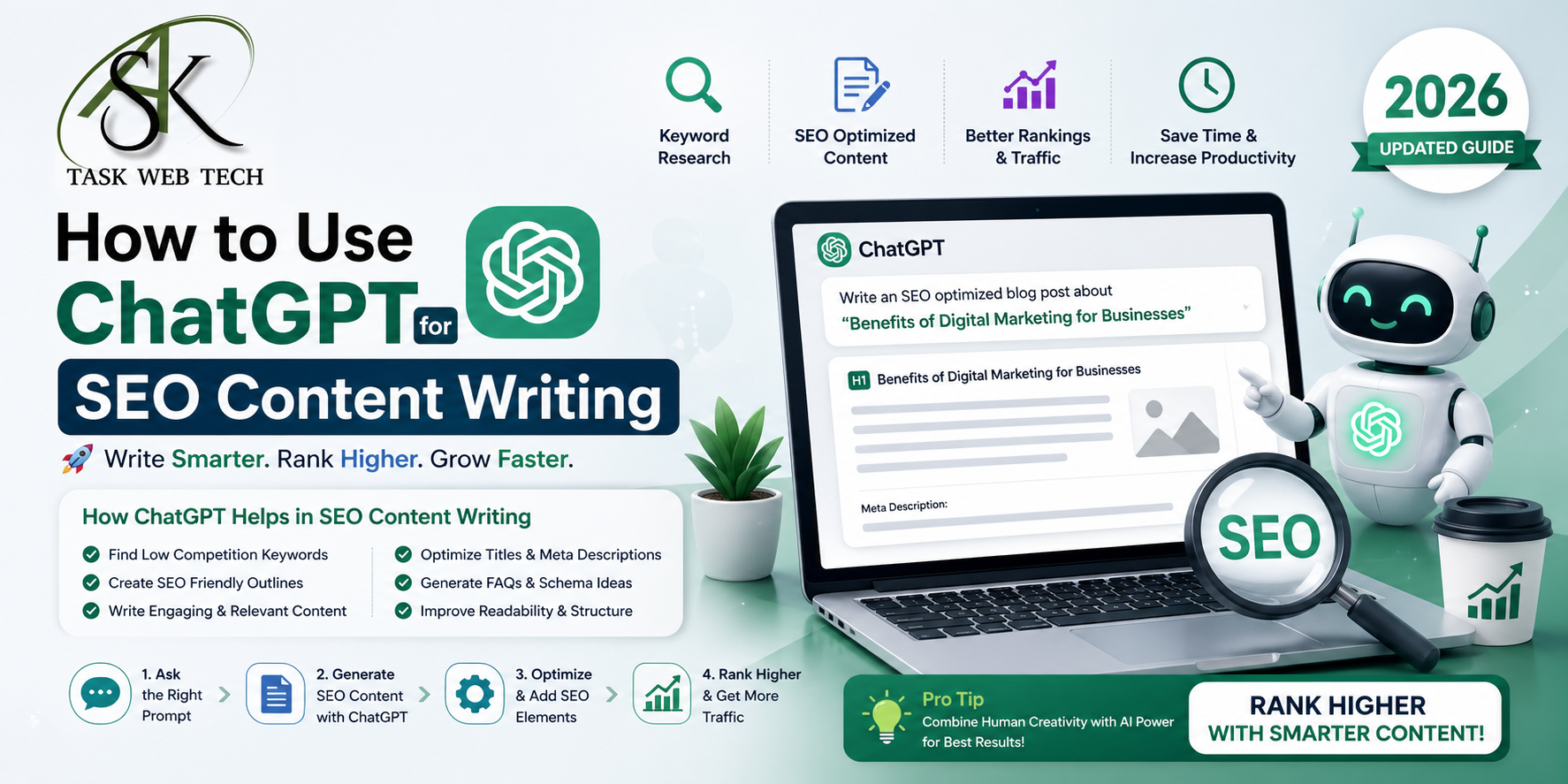
Some companies are even building entire editorial workflows around ChatGPT SEO article writing. Writers now collaborate with AI systems to brainstorm ideas, optimize keyword placement, and generate outlines before polishing final drafts manually. This workflow dramatically reduces production time while preserving editorial oversight.
As competition intensifies, businesses that ignore AI-driven SEO trends could fall behind. The pressure to publish faster and smarter is forcing companies to rethink traditional content strategies entirely.
Why Human Creativity Still Matters in the AI Era
Despite the rapid rise of AI tools, human creativity remains one of the most valuable assets in digital publishing. Readers still connect emotionally with authentic stories, unique perspectives, and genuine expertise. AI can assist with structure and efficiency, but it cannot fully replicate lived experience or original reporting.
Successful publishers understand this distinction clearly. They are using ChatGPT SEO article writing to enhance productivity while ensuring human editors maintain the final voice and direction. This balance helps create articles that are optimized for search engines without feeling robotic or repetitive.
The future of SEO content may not be about humans versus AI. Instead, it could become a collaboration where technology handles repetitive tasks while creators focus on storytelling, trust, and audience connection. That combination may define the next generation of online publishing.
The digital publishing world is evolving faster than ever, and AI-driven content is at the center of the transformation. Whether you are a blogger, marketer, or business owner, adapting to these changes could determine your future online success. Stay informed, experiment strategically, and watch closely as ChatGPT SEO article writing continues reshaping the future of search and content creation.