The race to dominate online visibility has entered a new era, and businesses across the United States are scrambling to adapt. AI search engine optimization is no longer a futuristic concept reserved for Silicon Valley giants. It is now transforming how websites rank, how content gets discovered, and how brands survive in an increasingly automated internet. Over the last few months, marketers, publishers, and SEO professionals have noticed dramatic changes in search behavior as artificial intelligence tools begin influencing what users see first online.
What makes this shift even more intense is the speed at which it is happening. Google’s AI-powered search experiences, conversational results, and machine-learning ranking systems are changing the rules almost overnight. Companies that once relied on traditional keyword tactics are now racing to understand how AI search engine optimization works before their traffic disappears. For many digital publishers, this is becoming the biggest search revolution since mobile-first indexing.
Why AI Search Engine Optimization Is Suddenly Trending
The sudden rise of AI search engine optimization comes from a combination of technological breakthroughs and major search engine updates. Google, Microsoft, and emerging AI startups are heavily investing in machine-learning-driven search experiences. Instead of displaying simple blue links, search engines are increasingly offering AI-generated summaries, direct answers, and predictive recommendations.
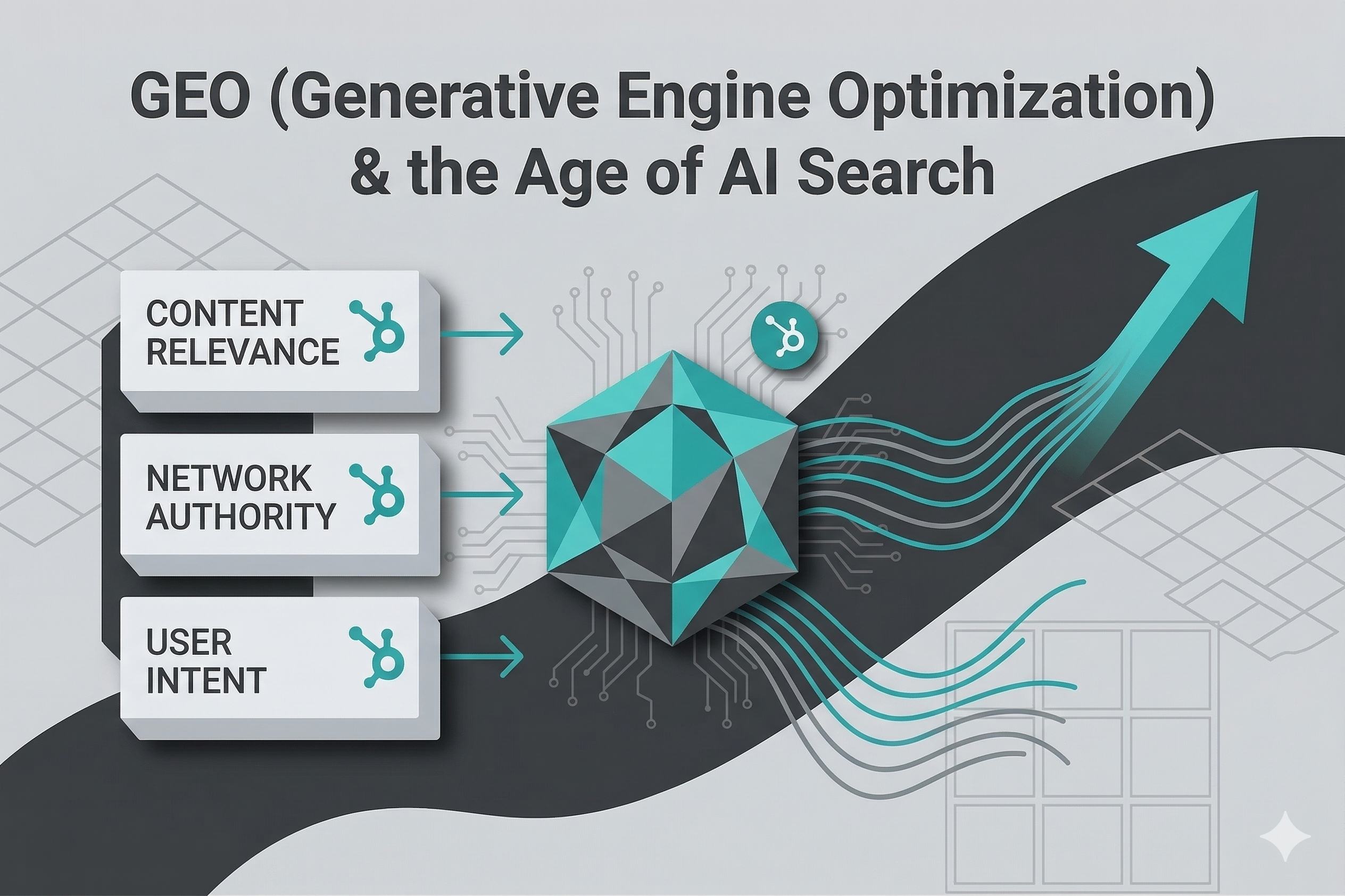
This evolution has forced marketers to rethink how they create content. Traditional SEO strategies focused mainly on keyword density and backlinks. However, AI-driven algorithms now evaluate context, user intent, engagement signals, and topical authority with far greater accuracy. Experts believe this shift is pushing publishers toward higher-quality, experience-based content instead of mass-produced articles written only for rankings.
Another reason this topic is exploding online is because businesses are seeing immediate impacts on traffic. Several media websites reported sudden fluctuations in organic reach after recent AI-focused updates. As a result, forums, marketing conferences, and tech communities across the United States are flooded with discussions about adapting to the AI search era before competitors gain an advantage.
How Google’s AI Search Experience Is Changing SEO
Google’s search ecosystem has become smarter than ever. With AI-powered overviews and conversational search results expanding rapidly, the search engine is now prioritizing content that directly answers user questions in natural language. This means websites must focus less on robotic optimization and more on delivering real value.
AI search engine optimization strategies are now heavily centered around semantic search. Instead of matching exact keywords, Google’s systems interpret relationships between words, entities, and search intent. For example, an article discussing “AI-driven content strategy” may rank for multiple related searches even without exact keyword repetition. This broader understanding gives well-structured content a better chance of visibility.
SEO analysts also believe user engagement signals are becoming increasingly important. Metrics such as time on page, click-through rates, and interaction depth may influence AI ranking systems more than before. That is why publishers are designing articles with stronger storytelling, better readability, and mobile-friendly formatting to maintain audience attention longer.
Businesses Are Investing Millions Into AI SEO Tools
The AI SEO software market is experiencing explosive growth. Companies ranging from small startups to Fortune 500 corporations are investing heavily in automation platforms designed to improve rankings, analyze search patterns, and predict future trends. According to industry reports, the global AI-powered SEO market could surpass billions of dollars within the next few years as adoption accelerates.
Popular AI-driven tools now help businesses generate keyword clusters, optimize content structure, identify ranking opportunities, and automate technical SEO tasks. These platforms are especially appealing to digital publishers trying to keep up with fast-changing algorithms. Instead of manually researching every update, marketers can use AI systems to uncover emerging trends in real time.
However, the rapid growth of automation has also sparked debate. Some SEO professionals worry that over-reliance on AI-generated content could flood the internet with repetitive articles. Others believe human creativity combined with AI assistance will become the winning formula. In the United States, agencies are increasingly promoting hybrid strategies where editors and AI systems work together instead of replacing each other entirely.
Content Creators Face New Challenges in the AI Era
For content creators, the rise of AI search engine optimization presents both opportunity and uncertainty. Writers who once focused only on keyword placement now need to understand user psychology, search intent, and AI readability signals. The internet is becoming more competitive because AI tools make publishing easier for everyone.
One major challenge is maintaining originality. Search engines are getting better at detecting shallow or duplicated content patterns. Articles that provide firsthand insights, storytelling elements, and expert-level depth are more likely to perform well. This means publishers can no longer rely solely on generic SEO tactics to dominate rankings.
Another challenge is visibility inside AI-generated search summaries. Some publishers fear that users may stop clicking websites entirely if AI answers appear directly in search results. To counter this, brands are investing in more engaging headlines, emotional introductions, and highly informative articles that encourage readers to explore deeper. This trend is making quality and trust more important than ever before.
The Rise of Conversational Search and Voice Queries
One of the biggest drivers behind AI search engine optimization is the growth of conversational search. Millions of users are now asking search engines complete questions instead of typing fragmented keywords. Voice assistants, AI chatbots, and smart devices have accelerated this behavior dramatically across the United States.
This shift is changing how websites structure content. Instead of targeting short phrases alone, marketers are optimizing for natural language questions and long-tail keywords. Articles that clearly answer specific user concerns are gaining higher visibility in AI-powered search environments.
Voice search optimization is also becoming more valuable. Many consumers now use smart speakers and mobile assistants to find local businesses, compare products, or research topics instantly. Because spoken queries often sound conversational, websites must adapt their tone and formatting to match how real people talk. This trend is expected to grow rapidly over the next several years as AI assistants become more advanced.
Why User Experience Matters More Than Ever
User experience has become a critical factor in AI search engine optimization. Search engines increasingly prioritize websites that load quickly, display properly on mobile devices, and provide seamless navigation. Slow or cluttered websites risk losing rankings even if the content itself is strong.
Google’s algorithms are also evaluating content quality signals more deeply. Articles that are easy to read, visually organized, and informative tend to perform better in AI-powered search results. This is why publishers are focusing on shorter paragraphs, engaging storytelling, and clearer formatting designed for mobile readers.
Another emerging factor is trust. Search engines want to surface reliable information, especially for sensitive topics like finance, health, and technology. Websites that demonstrate expertise, transparency, and credibility are more likely to succeed in the AI-driven search environment. Many brands are now investing in expert contributors, author bios, and data-backed reporting to strengthen trust signals.
AI Search Engine Optimization Could Redefine Digital Marketing
Industry experts believe AI search engine optimization could fundamentally reshape digital marketing over the next decade. Traditional ranking strategies are evolving into more intelligent systems focused on behavior prediction, personalization, and contextual understanding. Businesses that fail to adapt may struggle to compete in future search landscapes.
Marketing agencies are already shifting budgets toward AI-powered analytics and predictive SEO systems. These tools can identify emerging trends before they become mainstream, giving companies an early advantage. Some analysts even predict that future search engines may personalize results so deeply that every user sees a unique version of the internet.
At the same time, privacy concerns are growing. As AI systems collect more behavioral data to improve search accuracy, regulators and consumers are demanding greater transparency. This balance between personalization and privacy could become one of the defining technology debates of the coming years.
What the Future Looks Like for SEO Professionals
SEO professionals are entering one of the most transformative periods in digital history. The rise of AI search engine optimization is changing job roles, required skills, and long-term career strategies. Experts who understand machine learning, data interpretation, and user behavior may become highly valuable in the evolving market.
Training programs and online courses focused on AI SEO strategies are already seeing massive demand. Businesses want specialists who can navigate algorithm updates, optimize conversational content, and understand AI-driven ranking systems. The future of SEO appears less about gaming algorithms and more about building meaningful digital experiences.
Despite the uncertainty, many marketers see opportunity. AI tools can automate repetitive tasks, allowing professionals to focus more on creativity, storytelling, and strategy. In many ways, the next generation of SEO may reward human insight even more than technical manipulation.
The AI SEO Revolution Is Only Beginning
The momentum behind AI search engine optimization shows no signs of slowing down. As artificial intelligence continues reshaping search engines, businesses and publishers across the United States are being forced to rethink how online visibility works. The companies that adapt early could gain enormous advantages in traffic, authority, and audience trust.
For content creators, marketers, and entrepreneurs, this moment represents both a challenge and an opportunity. The internet is evolving into a smarter, more personalized ecosystem where quality, engagement, and authenticity matter more than ever. Those who embrace AI-driven SEO strategies while maintaining human creativity may become the biggest winners of the next digital era.
If you want to stay ahead in the rapidly changing world of online search, now is the time to understand AI search engine optimization before the competition does.