
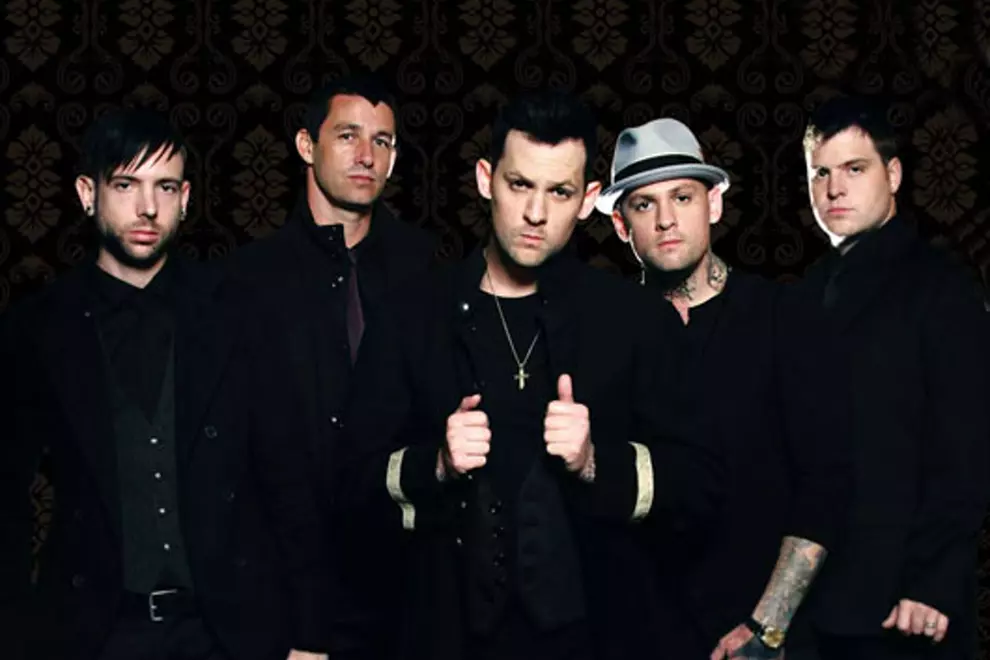
If you were a teenager in the early 2000s, you definitely remember the opening riff of “Lifestyles of the Rich and Famous” Good Charlotte. It was everywhere—blasting from car speakers, playing on MTV, and being sung by kids with spiky hair and studded belts.
But this song was more than just a catchy pop-punk hit. It was a social commentary wrapped in an infectious melody. At a time when celebrity culture was exploding with reality TV stars and tabloid drama, Good Charlotte’s twin brothers Joel and Benji Madden stepped up to call out the hypocrisy they saw.
The song’s title itself was a clever nod to the TV show Lifestyles of the Rich and Famous, which showcased the extravagant lives of the wealthy. But Good Charlotte flipped the script entirely.
In this article, we’ll explore the “Lifestyles of the Rich and Famous” Good Charlotte lyrics in detail—their meaning, cultural context, and why they still resonate today. Whether you’re a longtime fan or just discovering this early 2000s gem, you’ll walk away with a deeper appreciation for this iconic track.
The Story Behind the Song
How It All Started
“Lifestyles of the Rich and Famous” was released as the lead single from Good Charlotte’s second studio album, The Young and the Hopeless, in August 2002 . It marked a significant evolution for the Maryland-based band, who had released their self-titled debut album two years earlier.
Co-written by Benji Madden, Joel Madden, and Tim Armstrong of Rancid, the song was produced by Eric Valentine and clocked in at a tight 3 minutes and 10 seconds . It became the band’s highest-charting single on the Billboard Hot 100, peaking at number 20 .
The song was a massive commercial success and helped propel The Young and the Hopeless to sell over 3.5 million copies in the United States alone . But its commercial achievement is only part of the story—the real impact lies in its message.
What Inspired the Song?
The basic concept of the song is the global obsession with fame and how celebrities are often unappreciative of how fortunate they are . The Maddens were frustrated with seeing famous people complain about their “hard” lives in magazines like Rolling Stone while ordinary people struggled to get by .
In interviews, the band has shared that they wrote the song from a place of genuine frustration. They grew up in working-class conditions in Waldorf, Maryland, and they recognized the disconnect between the life they saw on TV and the one they lived.
Breaking Down the “Lifestyles of the Rich and Famous” Good Charlotte Lyrics
The Opening Verse: Celebrity Complaints Exposed
“Always see it on T.V. / Or read in the magazines / Celebrities they want sympathy / All they do is piss and moan / Inside the Rolling Stone / Talkin’ about how hard life can be”
The song kicks off by directly calling out the media. We’re constantly exposed to celebrities complaining about their lives, whether through TV interviews or magazine profiles . Good Charlotte immediately sets the tone—they’ve had enough of the whining.
The Challenge: Walking in Someone Else’s Shoes
“I’d like to see them spend a week / Livin’ life out on the street / I don’t think they would survive / But they could spend a day or two / Walking in someone else’s shoes / I think they’d stumble and they’d fall”
This is perhaps the most powerful part of the “Lifestyles of the Rich and Famous” Good Charlotte lyrics. The band challenges celebrities to experience what it’s like to be poor and homeless. It’s a direct call for empathy and perspective . The repeated “fall” suggests that without their wealth and privilege, celebrities would crumble.
The Chorus: A Sarcastic Solution
“Lifestyles of the rich and the famous / They’re always complainin’ / Always complainin’ / If money is such a problem / Well they got mansions / Think we should rob them”
The chorus is dripping with sarcasm and irony. The repeated “always complainin'” emphasizes the core frustration of the song . The final lines are a tongue-in-cheek suggestion: if money is such a burden, maybe someone should take it off their hands.
Controversial References: Legal Double Standards
“Well did you know when you were famous you could kill your wife / And there’s no such thing as 25 to life / As long as you’ve got the cash, to pay for Cochran”
“And did you know if you were caught and you were smokin’ crack / McDonalds wouldn’t even want to take you back / You could always just run for mayor of D.C.”
These lines reference two real-life cases. Johnnie Cochran was the attorney who successfully defended O.J. Simpson, allowing him to avoid a lengthy prison sentence . The “smokin’ crack” line refers to Marion Barry, the former mayor of Washington, D.C., who was arrested for drug possession but later re-elected .
These references highlight the double standards in the American legal and political systems, where money and fame can buy you out of consequences.
Musical Style and Production
The Pop-Punk Sound
“Lifestyles of the Rich and Famous” is classic pop-punk—energetic, fast-paced, and radio-friendly. The song features frenetic drumming (courtesy of session drummer Josh Freese), catchy guitar riffs, and Joel Madden’s signature vocal delivery . The tempo changes in the bridge add an interesting dynamic to the song .
The production by Eric Valentine gave the track a polished, radio-ready sheen that helped it cross over from the punk scene to mainstream pop audiences.
Memorable Music Video
The music video for the song featured cameo appearances from several musicians, including Kyle Gass (of Tenacious D), former *NSYNC member Chris Kirkpatrick, and Mike Watt (of Minutemen/fIREHOSE) . The video’s courtroom scenes and playful tone helped cement the song’s place in MTV’s rotation and even won the MTV Video Music Award for Viewer’s Choice in 2003 .
Legacy and Cultural Impact
Why It Still Matters
Two decades later, the “Lifestyles of the Rich and Famous” Good Charlotte lyrics are arguably more relevant than ever. Social media has given us unprecedented access to the lives of the rich and famous, and celebrity complaints are still just as prevalent. The song’s core message about inequality and the disconnect between the wealthy and the rest of us hasn’t aged a bit.
Even Good Charlotte themselves have reflected on the irony of the song. The Maddens have acknowledged that their success has made them part of the world they were criticizing . But they continue to play the song at their shows, and it remains a “big old fun rock song” that audiences love to sing along to .
The Irony of Success
One critic famously pointed out the irony of the song: “As kids, all they wanted to do was ‘make it’ and become famous. And when they have their first taste of success, what do they do? They make a song about how shallow famous people are!”
This criticism is valid, but it also misses the point. The band never claimed to be perfect. The song came from a genuine place of frustration with the hypocrisy they observed—and perhaps also a bit of fear about what they themselves might become.
The Song’s Reach
“Lifestyles of the Rich and Famous” has appeared in various aspects of pop culture :
- 2003 film Dickie Roberts: Former Child Star
- Drake & Josh episode (2004)
- Theme music for the Glenn Beck Program (later replaced)
- Parodied by Apologetix (“Lifestyles of the Rich & Nameless”)
- Parodied by Kanye West and Pharrell Williams (“Lifestyles of the Broke and Famous”)
What We Can Learn from the Song
Perspective Matters
At its heart, the song is a lesson in perspective. It’s easy to get caught up in our own problems, but we should remember how fortunate we are compared to many others.
Question Celebrity Culture
The song encourages us to think critically about what we see in the media. The “Lifestyles of the Rich and Famous” Good Charlotte lyrics remind us that celebrities aren’t always worthy of our sympathy.
Money Doesn’t Solve Everything (But It Helps)
While the song mocks celebrities who complain about their lives, it also acknowledges that having money makes most problems easier to solve. It’s not an attack on wealth—it’s an attack on ingratitude.
FAQ
What is the meaning of “Lifestyles of the Rich and Famous” by Good Charlotte?
The song is a satirical critique of celebrity culture, highlighting how wealthy and famous people often complain about their lives despite their immense privilege. The band challenges celebrities to experience real hardship and calls out the hypocrisy of rich people who don’t appreciate their advantages.
What legal cases are referenced in “Lifestyles of the Rich and Famous”?
The song references the O.J. Simpson trial and lawyer Johnnie Cochran (suggesting that money can buy justice), and the case of Washington D.C. mayor Marion Barry, who was re-elected despite a drug conviction .
Did “Lifestyles of the Rich and Famous” win any awards?
Yes! The song won the MTV Video Music Award for Viewer’s Choice in 2003 and also won the Kerrang! Award for Best Single .
Why was the song criticized?
Some critics pointed out the irony of a band singing about how shallow famous people are while trying to become famous themselves. Others criticized the lyrics as contradictory to the band’s ambitions .
Is the song still relevant today?
Absolutely. Celebrity culture has only grown more pervasive with social media, and wealth inequality remains a pressing issue. The song’s themes of privilege, hypocrisy, and the disconnect between the rich and the rest of us are still very timely.
Conclusion
The “Lifestyles of the Rich and Famous” Good Charlotte lyrics remain one of the most iconic pop-punk anthems of the 2000s. The song perfectly captured the frustrations of a generation tired of celebrity hypocrisy and wealth inequality. It called out the double standards in the legal and political systems and challenged celebrities to appreciate their privileges.
More than two decades later, the song continues to be a crowd-pleaser at Good Charlotte shows, proving that its message still resonates with audiences young and old. The band may have become part of the world they were criticizing, but the song itself stands as a time capsule of early 2000s disillusionment—and a reminder that perspective and gratitude matter, regardless of how much money you have.
Whether you’re revisiting this classic or discovering it for the first time, the “Lifestyles of the Rich and Famous” Good Charlotte lyrics invite you to question what you see in the media and appreciate what you have. And that lesson is always in style.