
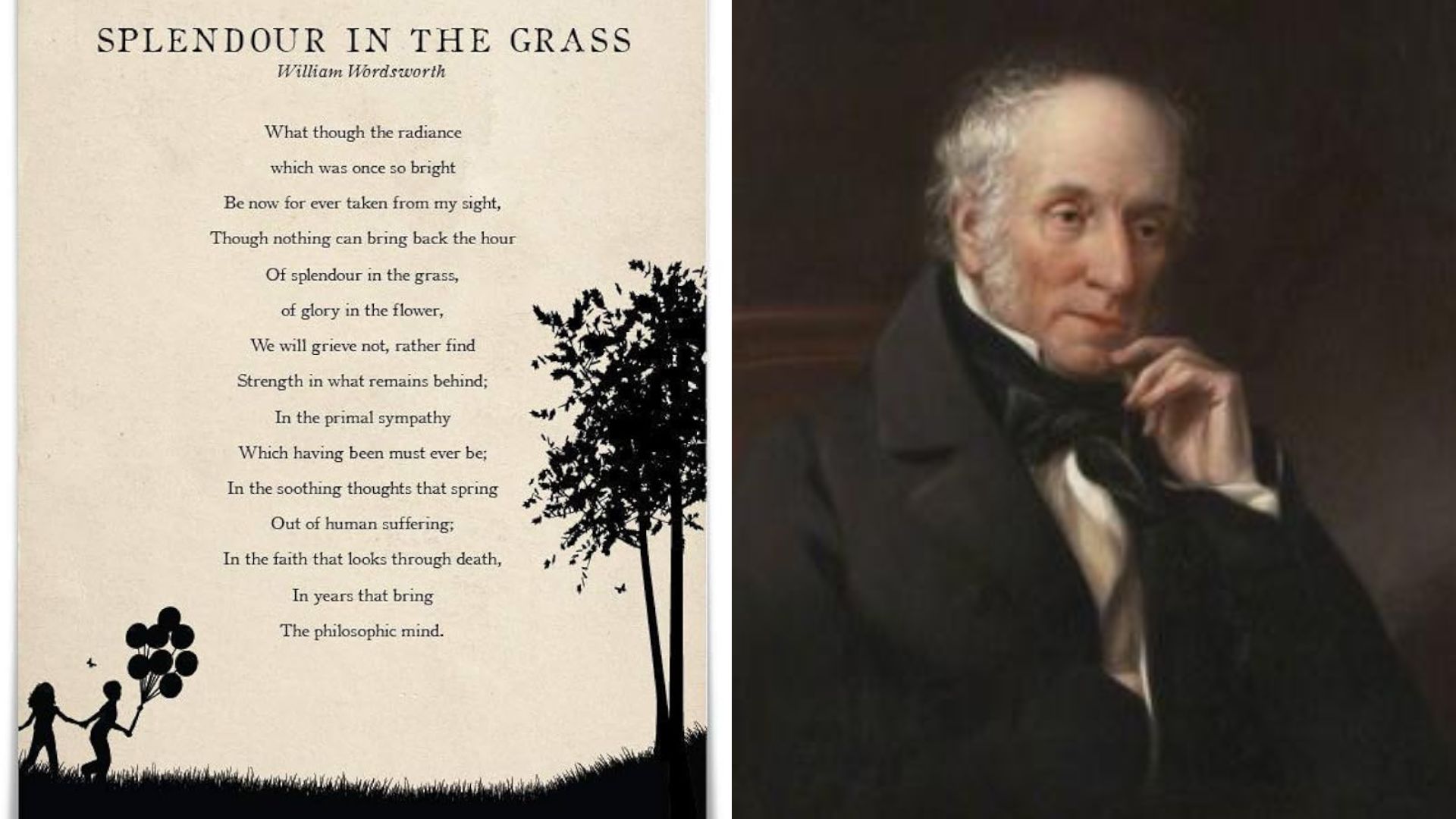
The internet has a strange way of resurrecting words that feel like they were never meant to fade. In the middle of endless scrolling, one phrase has suddenly begun echoing across feeds, comment sections, and emotional reels: “i never left you poem words.” For many readers, it appears like a quiet whisper in a loud digital world, sparking curiosity, confusion, and deep emotional reflection all at once. Why is this phrase resurfacing now, and why are so many people treating it like a message meant specifically for them?
Across the United States, social platforms are witnessing a renewed surge in search interest tied to “i never left you poem words,” with users sharing fragments of poetic text that feel deeply personal. Some call it a comfort poem, others describe it as a grief message or love letter from beyond distance. What makes it powerful is not just the words themselves, but the emotional space they seem to occupy in people’s lives right now.
The sudden rise of i never left you poem words in digital culture
The phrase “i never left you poem words” has quietly evolved into a viral search trend, especially on TikTok, Instagram Reels, and Pinterest poetry boards. Users are reposting short poetic captions that often blend themes of absence, memory, and emotional reassurance. Many posts suggest the poem is not just read, but felt, as if it speaks directly to unresolved emotions.
Digital analysts tracking viral poetry trends in the United States have noted a spike in engagement around emotionally charged micro-poetry. In this environment, “i never left you poem words” stands out because it bridges personal grief and universal longing. The phrase is being interpreted as a symbolic expression of presence beyond physical separation, making it especially powerful in a time when digital communication often replaces face-to-face connection.
Emotional meaning behind i never left you poem words
At its core, “i never left you poem words” resonates because it speaks to human attachment and emotional continuity. Readers often associate it with themes of love and loss poems, where relationships do not end even when physical presence does. The line suggests reassurance, as if someone important is still emotionally present despite distance or time.
Psychologists studying grief poetry note that modern audiences increasingly turn to short-form emotional content to process complex feelings. The simplicity of “i never left you poem words” allows readers to project their own experiences onto it. Whether it is a lost loved one, a breakup, or long-distance separation, the phrase becomes a mirror reflecting personal memory and unresolved emotional bonds.
Why social media is amplifying i never left you poem words
Social media algorithms are playing a major role in spreading “i never left you poem words” across platforms in the United States. Emotional content tends to generate higher engagement, and poetry that touches grief, love, or nostalgia often performs exceptionally well in short video formats. As a result, creators are repeatedly using this phrase in captions and voiceovers.
Another reason for its growth is the rise of TikTok poetry culture, where fragmented poetic lines become viral soundbites. “i never left you poem words” fits perfectly into this format because it is short, emotional, and open-ended. Viewers are not just consuming it; they are interpreting it, reshaping it, and sharing their own meanings in comments and duets.
The psychological pull of i never left you poem words
The emotional strength of “i never left you poem words” lies in its psychological ambiguity. It does not define who is speaking or who is being addressed, allowing readers to fill in the emotional gaps themselves. This makes it especially powerful in contexts of grief poetry and emotional storytelling, where personal interpretation matters more than literal meaning.
Experts in digital behavior suggest that such phrases create a sense of emotional validation. When users encounter “i never left you poem words,” they often feel as if their private feelings have been acknowledged publicly. This creates a strong attachment to the content and encourages repeated sharing, especially among younger audiences seeking emotional expression online.
The cultural interpretation of i never left you poem words in the US
In the United States, “i never left you poem words” is increasingly being discussed as part of a broader shift in how people consume poetry. Traditional long-form poems are being replaced by short, emotionally intense fragments that circulate quickly through social platforms. This reflects a larger trend in digital poetry culture where meaning is compressed but impact is amplified.
Cultural commentators suggest that this phrase also reflects changing attitudes toward connection and absence in modern society. In a world shaped by distance, migration, and digital relationships, “i never left you poem words” becomes a symbolic reminder that emotional presence can exist even without physical closeness. It is less about literature and more about shared human experience.
Future of viral poetry and the role of i never left you poem words
Looking ahead, analysts predict that phrases like “i never left you poem words” will continue shaping online poetry trends. As artificial intelligence, social media, and user-generated content evolve, emotional micro-poetry is expected to become even more widespread. These short poetic expressions are likely to dominate discover feeds due to their high emotional engagement rates.
The future of digital storytelling may rely heavily on such fragments, where meaning is not fixed but continuously reinterpreted. In this landscape, “i never left you poem words” is more than a trend—it is a template for how modern audiences connect with emotion in real time. Its viral nature suggests that poetry is no longer confined to books, but actively living within screens and daily scrolling habits.
Conclusion: why i never left you poem words still matters
Ultimately, “i never left you poem words” continues to resonate because it taps into something timeless—human longing for connection that never truly fades. In a fast-moving digital world, it offers a pause, a moment of emotional reflection, and a sense of invisible companionship that many readers find deeply comforting.
As this trend grows, it is clear that “i never left you poem words” is not just another viral phrase but part of a larger emotional movement in online culture. If you have encountered it, shared it, or felt something because of it, you are part of that evolving story. The question now is not why it went viral, but what it means for the way we express emotion in the future.