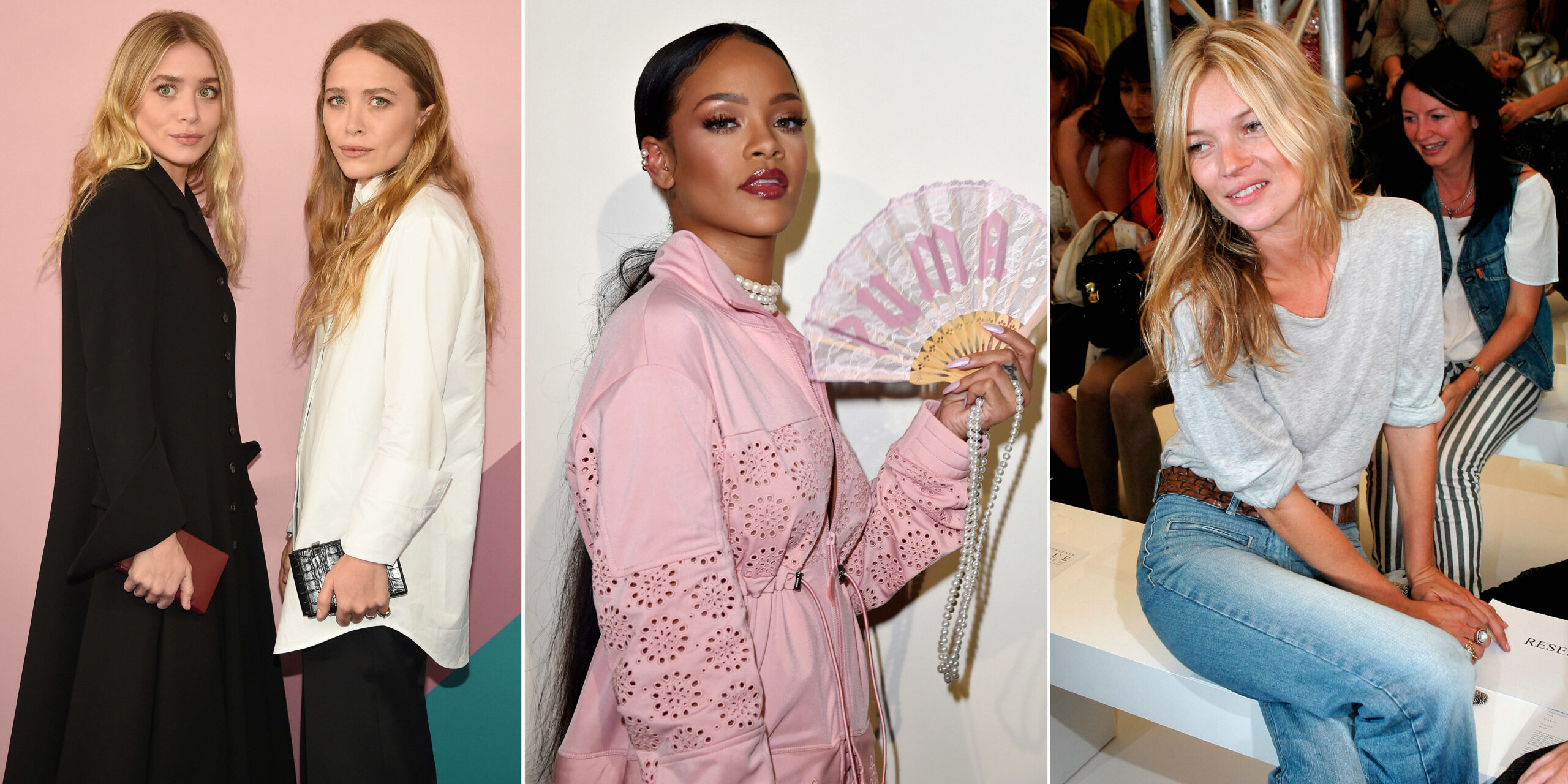
The rise of celebrity fashion brands is no longer just a Hollywood side hustle. Across the United States, celebrity-backed labels are turning into billion-dollar businesses, dominating social media conversations, and changing how younger shoppers discover luxury style. From viral TikTok campaigns to sold-out sneaker drops, fans are buying more than clothing. They are buying identity, influence, and exclusivity.
What started as a few celebrity collaborations has now exploded into a full-scale fashion movement. Industry analysts say celebrity fashion brands are outperforming many traditional labels because consumers trust familiar personalities more than corporate advertising. As Gen Z and millennials continue to drive online shopping trends, celebrity-led fashion empires are becoming one of the hottest stories in the global apparel industry.
Celebrity Fashion Brands Are Driving Massive Consumer Attention
The fashion industry in 2026 looks dramatically different from just a few years ago. Traditional luxury houses once controlled the spotlight, but celebrity fashion brands are now attracting younger buyers at record speed. Social media engagement, livestream shopping events, and influencer-driven launches have given stars direct access to millions of loyal followers.
Many of these brands are succeeding because celebrities already understand audience behavior. Instead of relying only on fashion magazines or expensive runway shows, stars promote products through Instagram stories, TikTok trends, and YouTube content. This creates instant emotional connections with fans who feel personally invested in the products they buy.
Market reports suggest celebrity-owned labels are seeing faster online growth compared to many legacy brands. Analysts estimate that celebrity fashion brands could capture a larger share of the premium streetwear and lifestyle market over the next five years. Consumers increasingly value authenticity, storytelling, and cultural relevance over traditional luxury branding.
Fashion insiders also believe celebrity involvement creates stronger customer loyalty. Fans often associate the clothing with a celebrity’s lifestyle, personality, and image. That emotional attachment gives these brands a competitive advantage in an overcrowded fashion market.
Social Media Is Fueling The Celebrity Fashion Boom
One major reason celebrity fashion brands continue to dominate headlines is the power of social media marketing. Platforms like TikTok and Instagram have transformed fashion launches into viral entertainment events. A single celebrity post can generate millions of impressions within hours and instantly sell out collections.
This marketing advantage allows celebrity-owned brands to move faster than many traditional companies. Trends can be identified, produced, and promoted almost overnight. Consumers are also more likely to share celebrity fashion content because it blends entertainment with shopping culture.
Another key factor is influencer collaboration. Many celebrities partner with digital creators, athletes, musicians, and stylists to expand reach across multiple audiences. These collaborations help celebrity fashion brands stay constantly visible online while keeping collections fresh and culturally relevant.
Short-form video content is especially important. Viral styling videos, “get ready with me” clips, and behind-the-scenes fashion shoots create stronger engagement than conventional advertisements. Younger consumers prefer interactive content that feels natural rather than polished corporate campaigns.
Younger Shoppers Are Choosing Identity Over Traditional Luxury
Fashion experts say Gen Z consumers are redefining luxury culture in America. Instead of focusing only on heritage fashion houses, younger buyers are prioritizing personal identity, online relevance, and cultural influence. Celebrity fashion brands fit perfectly into this shift because they combine style with entertainment.
Many shoppers now see fashion as a form of self-expression connected to music, sports, film, and internet culture. Celebrity-backed clothing lines often reflect those interests more directly than older luxury labels. Limited-edition drops and exclusive collections also create urgency, making products feel more valuable and collectible.
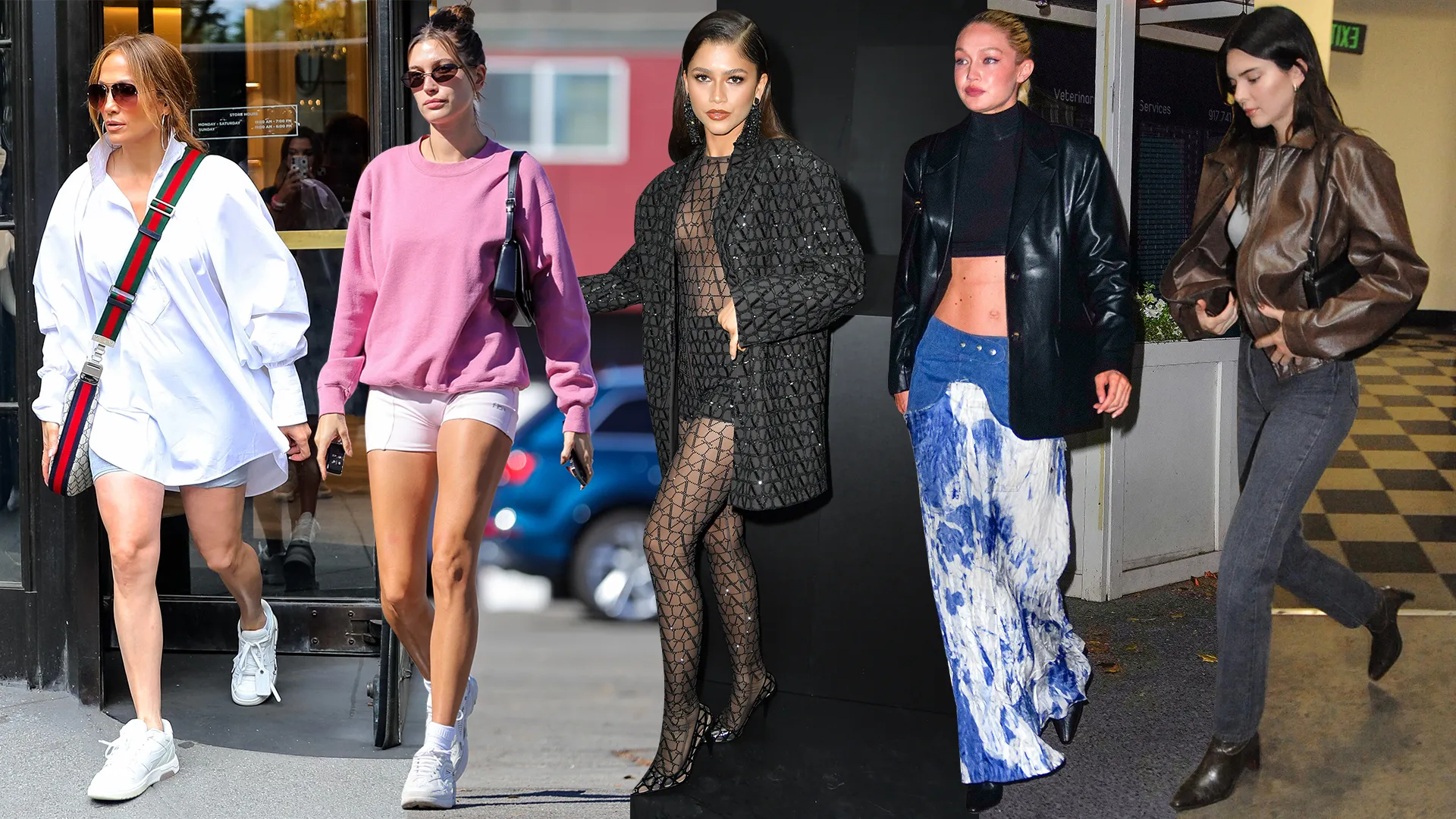
Streetwear culture has played a huge role in this transformation. Oversized hoodies, sneakers, relaxed tailoring, and bold graphic designs continue to dominate online fashion trends. Celebrity fashion brands have mastered this aesthetic while blending luxury appeal with accessible pricing strategies.
Consumers also appreciate transparency and relatability. Many celebrities openly discuss the creative process behind their brands, giving followers a sense of participation. This behind-the-scenes storytelling helps build stronger trust and emotional investment among younger audiences.
Celebrity Fashion Brands Are Expanding Beyond Clothing
What makes the current trend even more powerful is that celebrity fashion brands are no longer limited to apparel. Many are evolving into complete lifestyle businesses that include beauty products, skincare, fragrances, accessories, and home collections. This expansion creates stronger brand ecosystems and increases long-term profitability.
Fashion analysts note that diversification helps celebrity-owned companies survive changing trends. If one product category slows down, another can continue driving revenue. Beauty and skincare lines linked to celebrity fashion brands are particularly profitable because consumers often associate celebrities with aspirational lifestyles and beauty standards.
Collaborations with major retailers are also helping these brands scale quickly. Limited collections launched through online marketplaces and department stores attract massive attention while introducing brands to new demographics. Pop-up stores and experiential retail events are becoming another effective strategy for driving customer excitement.
Technology integration is growing rapidly as well. Some celebrity fashion brands are experimenting with digital fashion collections, virtual fitting rooms, and AI-powered personalization tools. These innovations are helping brands stay ahead in an increasingly competitive retail environment.
Economic Trends Are Changing Fashion Spending Habits
Despite ongoing economic uncertainty in parts of the United States, consumers continue spending heavily on fashion tied to cultural influence and exclusivity. Industry experts believe celebrity fashion brands benefit because buyers view these products as emotionally rewarding purchases rather than ordinary clothing expenses.
The resale market is another major driver behind the trend. Limited celebrity collections often gain value after release, creating hype similar to sneaker culture. Many younger shoppers purchase items not only for style but also for status and resale potential.
Fast fashion companies are also responding aggressively. Some retailers are trying to replicate celebrity-inspired aesthetics at lower prices, but loyal fans still prefer official collections connected directly to public figures. Authenticity remains a powerful selling point in today’s fashion economy.
Retail analysts predict celebrity fashion brands will continue expanding globally as American pop culture maintains strong international influence. Demand from international consumers is already increasing through online shopping platforms and cross-border digital marketing campaigns.
Sustainability Pressure Is Rising Across The Industry
As celebrity fashion brands grow larger, they are facing increased pressure to address sustainability concerns. Younger consumers are becoming more aware of environmental issues connected to fashion manufacturing, packaging waste, and supply chain practices.
Some celebrity-owned companies are responding by introducing eco-friendly materials, ethical sourcing strategies, and limited-production collections designed to reduce waste. Sustainable fashion messaging has become an important marketing tool because environmentally conscious shoppers are demanding greater accountability from brands.
Experts say sustainability could become one of the biggest competitive factors over the next decade. Consumers increasingly expect transparency regarding labor conditions, carbon emissions, and manufacturing ethics. Celebrity fashion brands that successfully balance style with sustainability may gain stronger long-term loyalty.
At the same time, critics argue that some celebrity brands still rely heavily on trend-driven consumerism and overproduction. Industry watchdogs continue monitoring whether sustainability promises translate into meaningful action. This debate is likely to shape the future reputation of many high-profile fashion labels.
Fashion Experts Predict Even Bigger Growth Ahead
Industry forecasts suggest celebrity fashion brands could continue dominating online retail conversations throughout 2026 and beyond. Analysts expect stronger investments in direct-to-consumer platforms, artificial intelligence marketing tools, and immersive digital shopping experiences.
Fashion consultants believe the next phase of growth will involve deeper personalization. Brands may begin using customer data to create tailored collections, targeted recommendations, and customized online shopping experiences. This could further strengthen consumer engagement and increase repeat purchases.
There is also growing speculation about celebrity-owned luxury houses competing directly with established European fashion giants. Some industry insiders believe younger consumers are gradually shifting attention away from traditional luxury institutions toward culturally driven modern brands.
Meanwhile, entertainment and fashion are becoming more interconnected than ever. Music tours, streaming content, sports events, and social media campaigns are now serving as major fashion marketing platforms. Celebrity fashion brands are perfectly positioned to capitalize on this entertainment-driven economy.
Why Celebrity Fashion Brands Continue Capturing Headlines
The explosive growth of celebrity fashion brands reflects more than changing shopping habits. It represents a major cultural shift in how consumers connect with fashion, entertainment, and identity. In today’s digital world, people no longer buy clothing solely for function or status. They buy stories, personalities, and online relevance.
As the competition between traditional luxury labels and celebrity-backed companies intensifies, one thing is becoming increasingly clear. Celebrity fashion brands are not a temporary trend. They are reshaping the future of retail, marketing, and consumer culture across the United States.
For shoppers, investors, and fashion enthusiasts, the next few years could redefine what luxury truly means in the modern era. Stay connected for more updates as celebrity fashion brands continue transforming the global fashion industry at record speed.